
The Basic Rules of Interior Design
The Basic Rules of Interior Design
Updated:
Master the basic rules of interior design to create a harmonious, well-balanced space with ease.
Master the basic rules of interior design to create a harmonious, well-balanced space with ease.
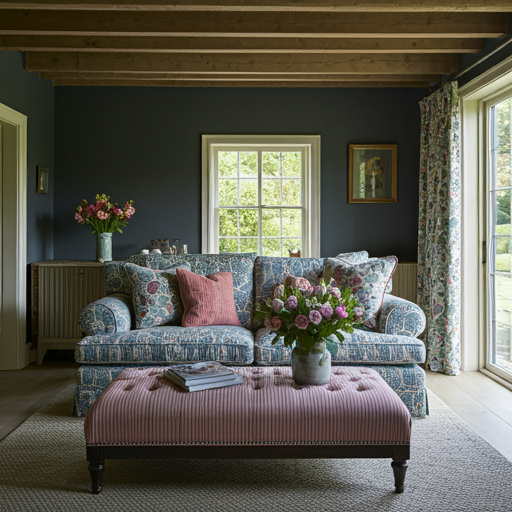
When designing your home, certain principles can elevate your space, creating a well-balanced, harmonious environment. While good taste is often natural, interior design has universal rules that anyone can apply for professional results. These rules revolve around visual elements that make a space feel “just right”—often working on a level where we don’t consciously recognize them, yet we know when something feels off.
Understanding and applying these basic design principles, such as symmetry, anchoring, contrast, juxtaposition, and the use of odd numbers, can transform any room into a visually cohesive and aesthetically pleasing space.
Anchoring: Creating Visual Centers of Gravity
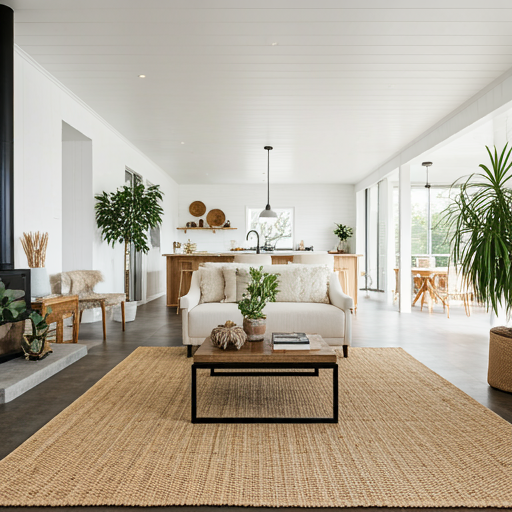
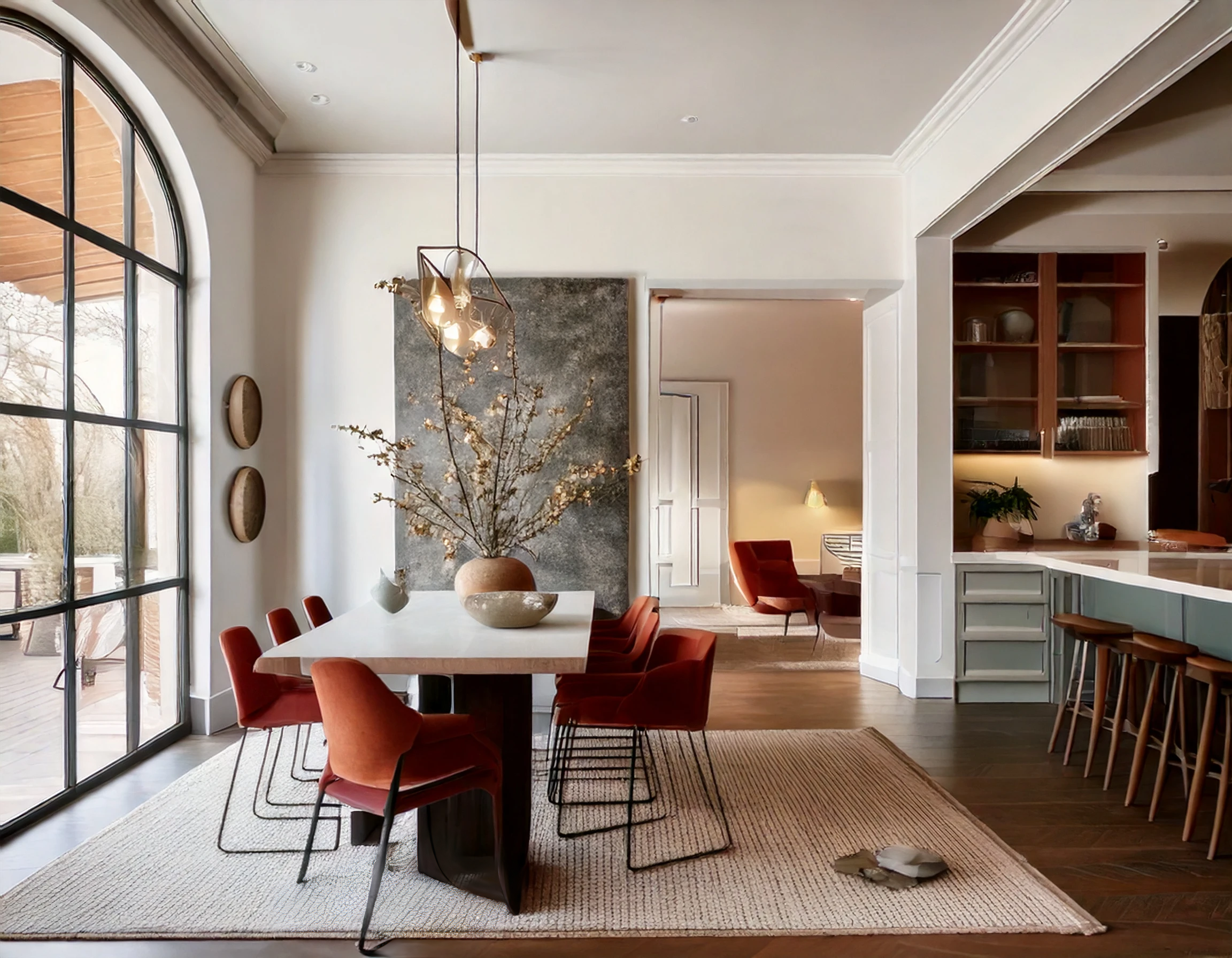
One of the foundational principles in interior design is anchoring. This involves establishing a visual “center of gravity” in the room, where your eyes naturally lead and the elements feel grounded. Unlike a focal point, which directly draws attention, an anchor subtly unites various objects and furniture pieces, creating cohesion.
For example, a large rug often acts as an anchor. It connects the surrounding furniture, preventing them from seeming to float aimlessly. The room feels more connected, allowing a focal point—perhaps an elegant floor lamp or striking piece of art—to stand out without overwhelming the space.
Other examples of anchors include a dining table, sofa, or bed. If a room lacks a natural anchor, you can introduce one through these elements or by using heavier colors at the lower levels of the room and lighter tones higher up.
Contrast: The Secret to Striking Interiors
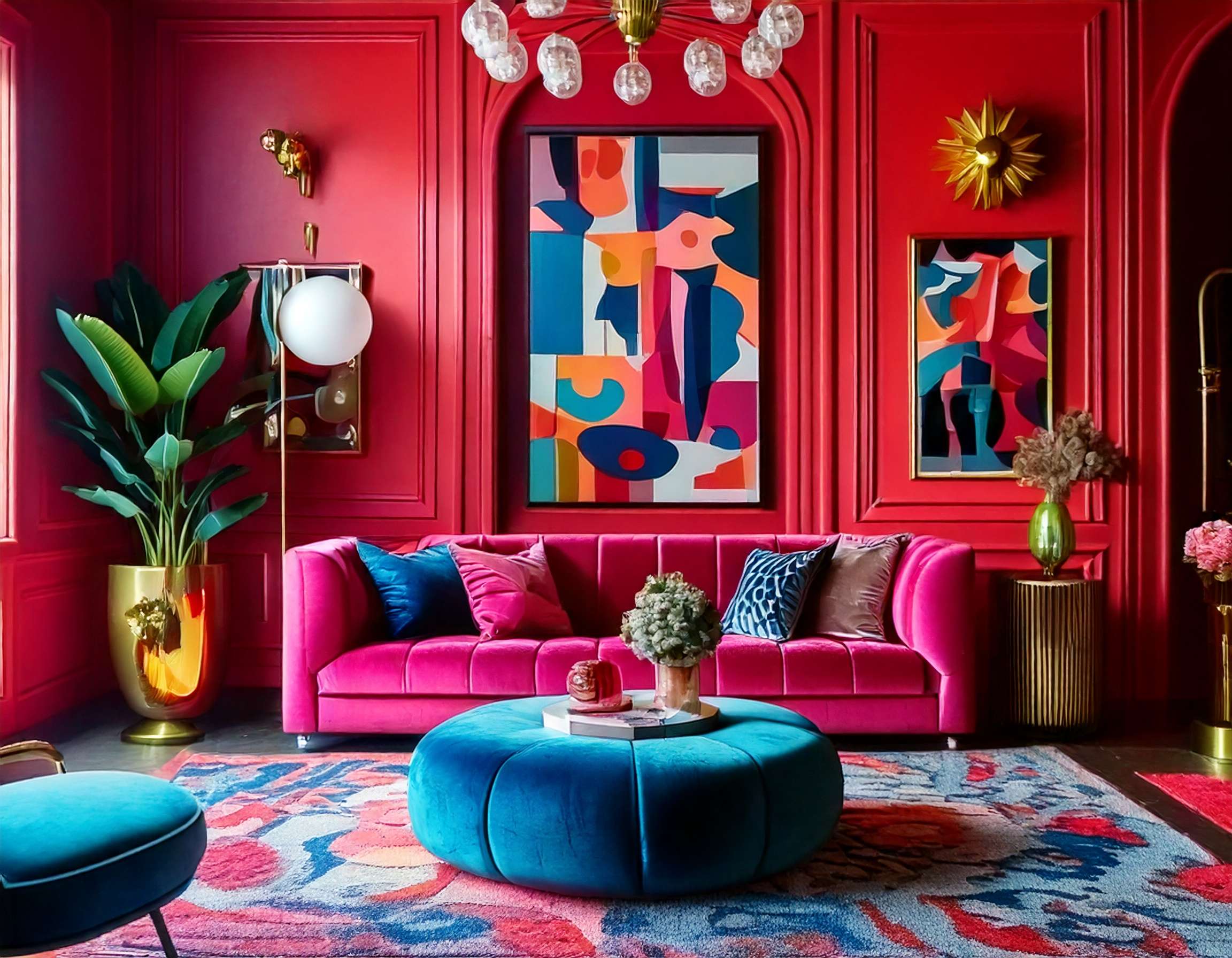
Adding contrast to a room instantly makes it more dynamic and visually stimulating. Contrast can be achieved through colors, textures, shapes, and materials. The most common form of contrast is through color—using two dominant shades from opposite sides of the color wheel. Black and white are classic, but other combinations can be just as effective.
Beyond color, think about pairing rough textures with smooth ones or natural materials like wood with metals such as chrome. A room with no contrast can feel flat, while thoughtful contrasts make your design more interesting and cohesive.
Juxtaposition: Bold Design Statements
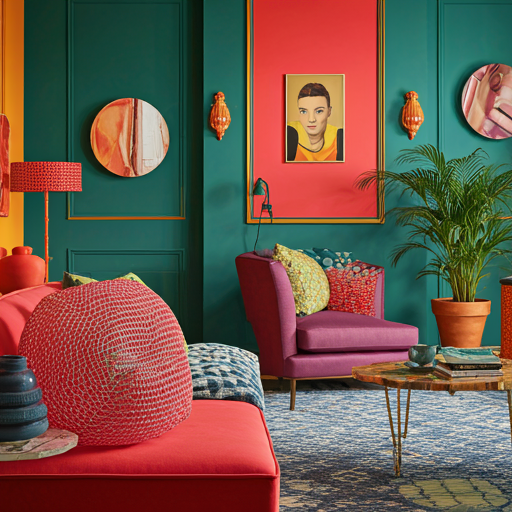
Juxtaposition involves placing contrasting objects or styles side by side to create a bold statement. Unlike subtle contrast, juxtaposition demands attention and can even become the room’s focal point.
A common example is combining contemporary furniture with vintage pieces, or mixing minimalist design with bold, eclectic art. The striking differences in style or material add drama and personality to a space.
Symmetry: Bringing Order and Elegance
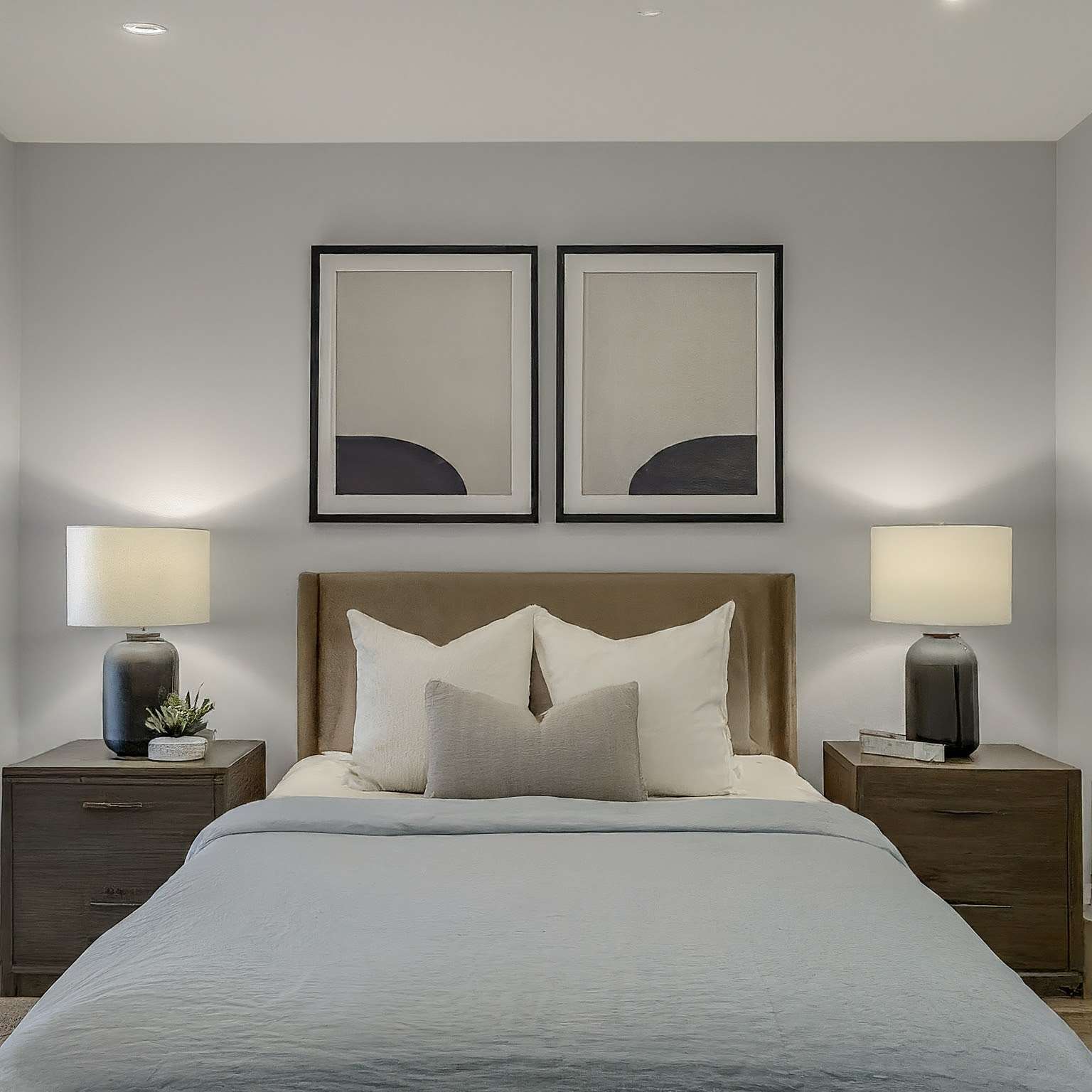
Symmetry is perhaps the most well-known design principle, and it’s often associated with creating visual harmony. There are different types of symmetry, including mirror symmetry, where one side of a space mirrors the other. This can often be seen in bedrooms, with identical bedside tables and lamps flanking the bed.
Another type is rotational symmetry, where patterns or designs repeat around a central point—think of a circular rug under a round dining table. Lastly, parallel symmetry involves repeating elements at regular intervals, such as a row of tiles or a patterned wallpaper.
Symmetry provides structure and balance, giving a space an ordered, calming effect.
The Rule of Odd Numbers: Adding Visual Interest
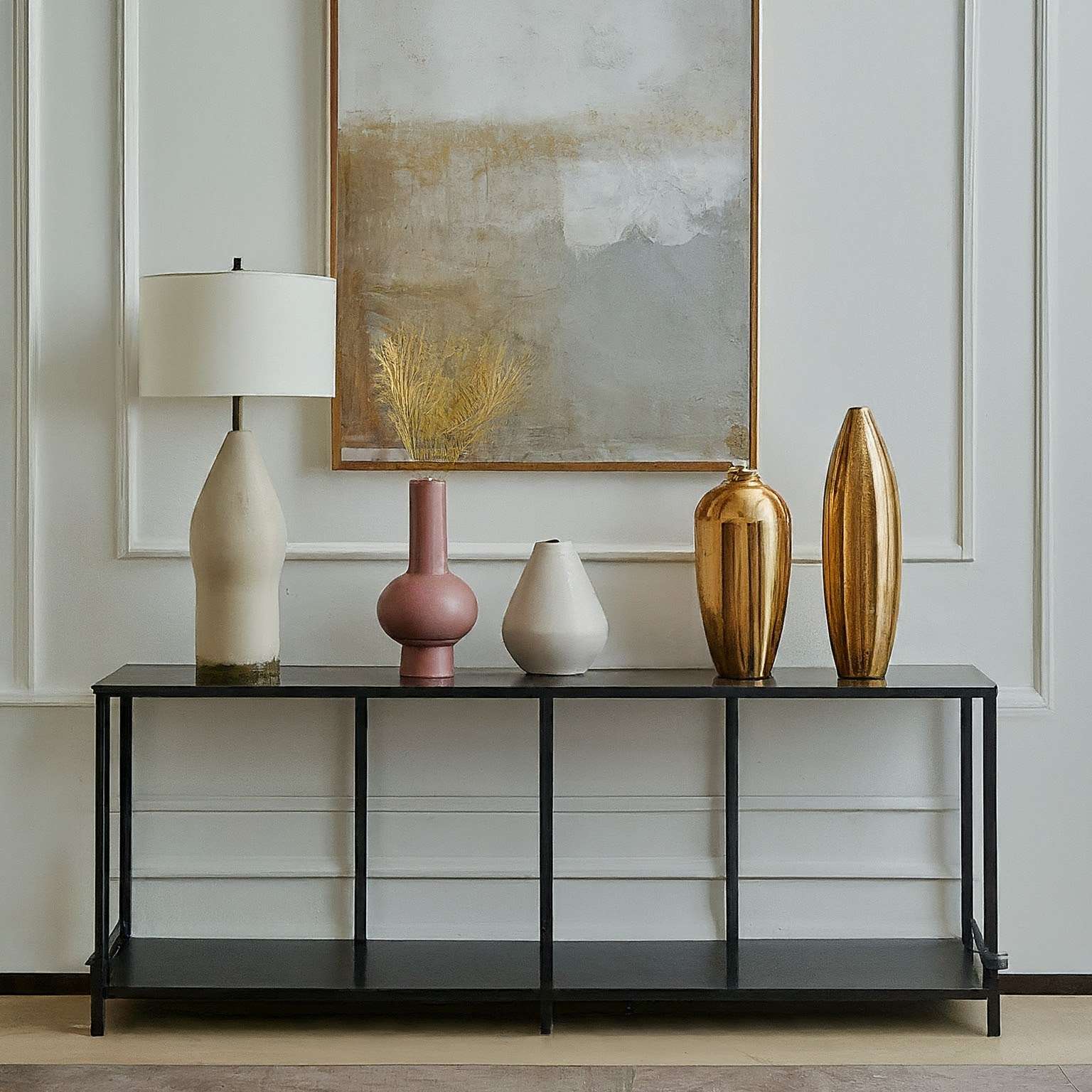
While symmetry brings order, using odd numbers in design adds visual interest. Known as the “Rule of Three” (but also effective in fives or sevens), this principle involves grouping an odd number of items together to create a more appealing arrangement. Odd-numbered groupings are more dynamic and intriguing to the eye, preventing a space from feeling too predictable.
For example, you might arrange three decorative objects on a shelf or five frames on a wall. The visual rhythm created by odd-numbered groupings draws attention in a subtle yet effective way.