

The Art of Lighting Design
The Art of Lighting Design
Updated:
A complete guide to lighting design, exploring different types of lighting and fixtures to help you create the perfect atmosphere for your home.
A complete guide to lighting design, exploring different types of lighting and fixtures to help you create the perfect atmosphere for your home.
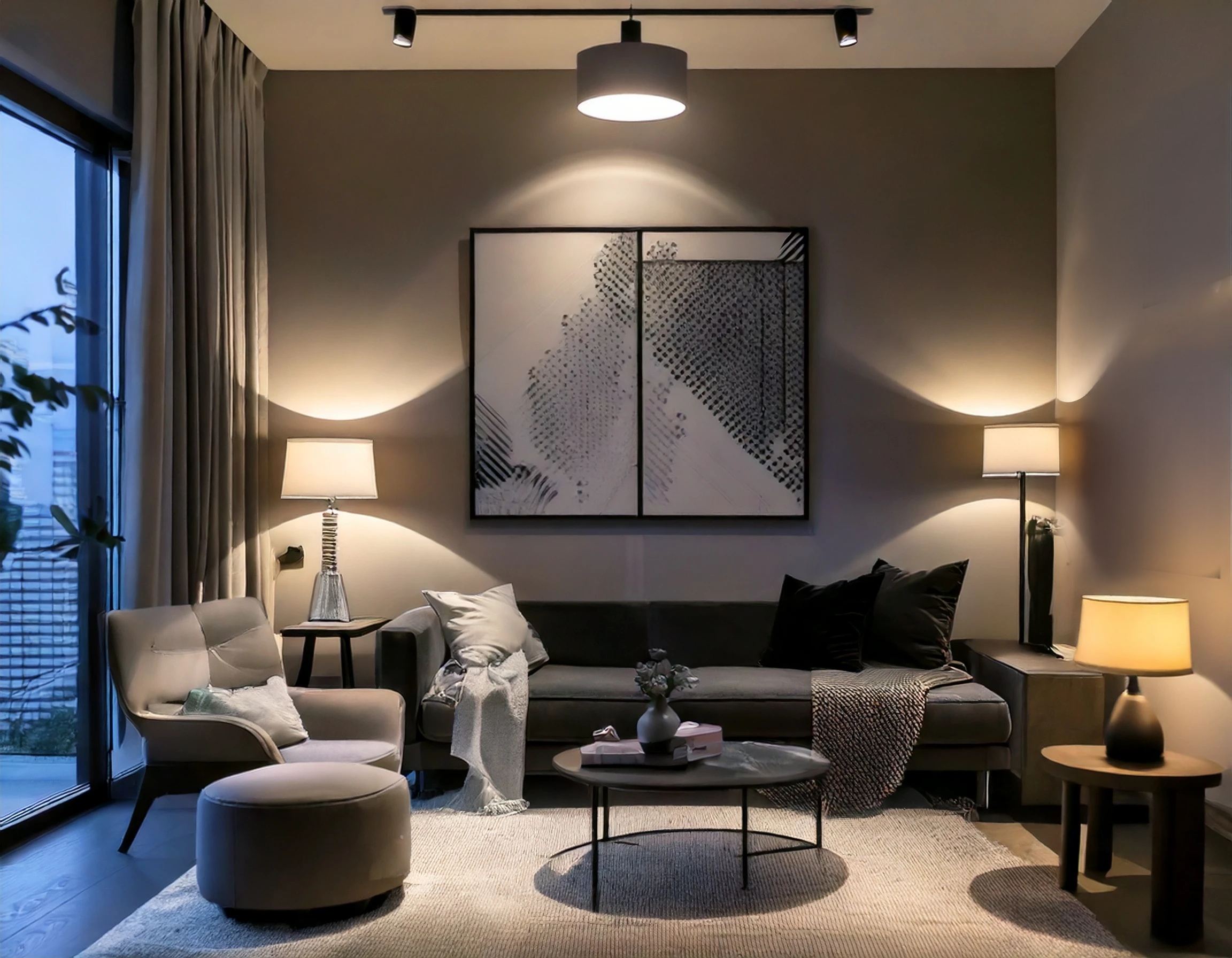
Lighting is often one of the last things we think about when redesigning a home, yet it has one of the most profound impacts on the functionality and feel of a space. Whether you’re building a new home, renovating, or just updating a room, well-thought-out lighting can make all the difference. In this article, we’ll explore the essential aspects of lighting design, including the different types of lighting and fixtures, to help you create a balanced, beautiful, and functional environment.
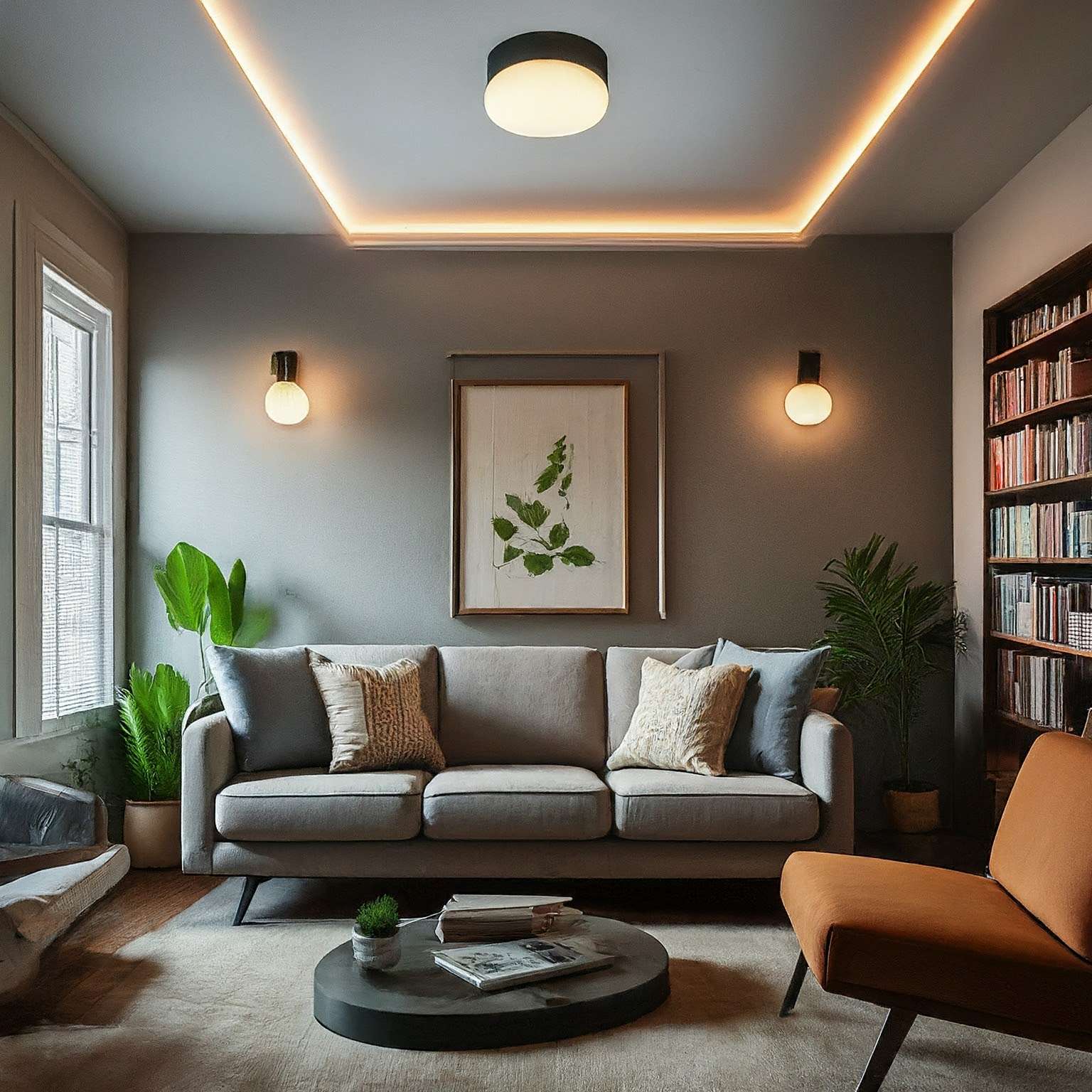
The Three Layers of Lighting
Lighting design is best approached in layers: ambient, task, and accent lighting. Each layer has a unique role in defining the mood and function of a room.
Ambient lighting is the foundation of your lighting scheme. It provides overall illumination, giving a room its basic brightness and ensuring you can move around safely. Think of it as your starting point — the light that sets the tone for everything else.
Task lighting, on the other hand, is focused and functional. It provides the direct light needed to perform specific activities like reading, cooking, or working. Task lighting is often brighter and more concentrated, making it perfect for areas like desks, countertops, or beside a reading chair.
Finally, accent lighting adds the finishing touch. Its role is to highlight features such as artwork, architectural details, or textured walls. This type of lighting is more about mood and atmosphere, drawing attention to the elements you want to showcase.
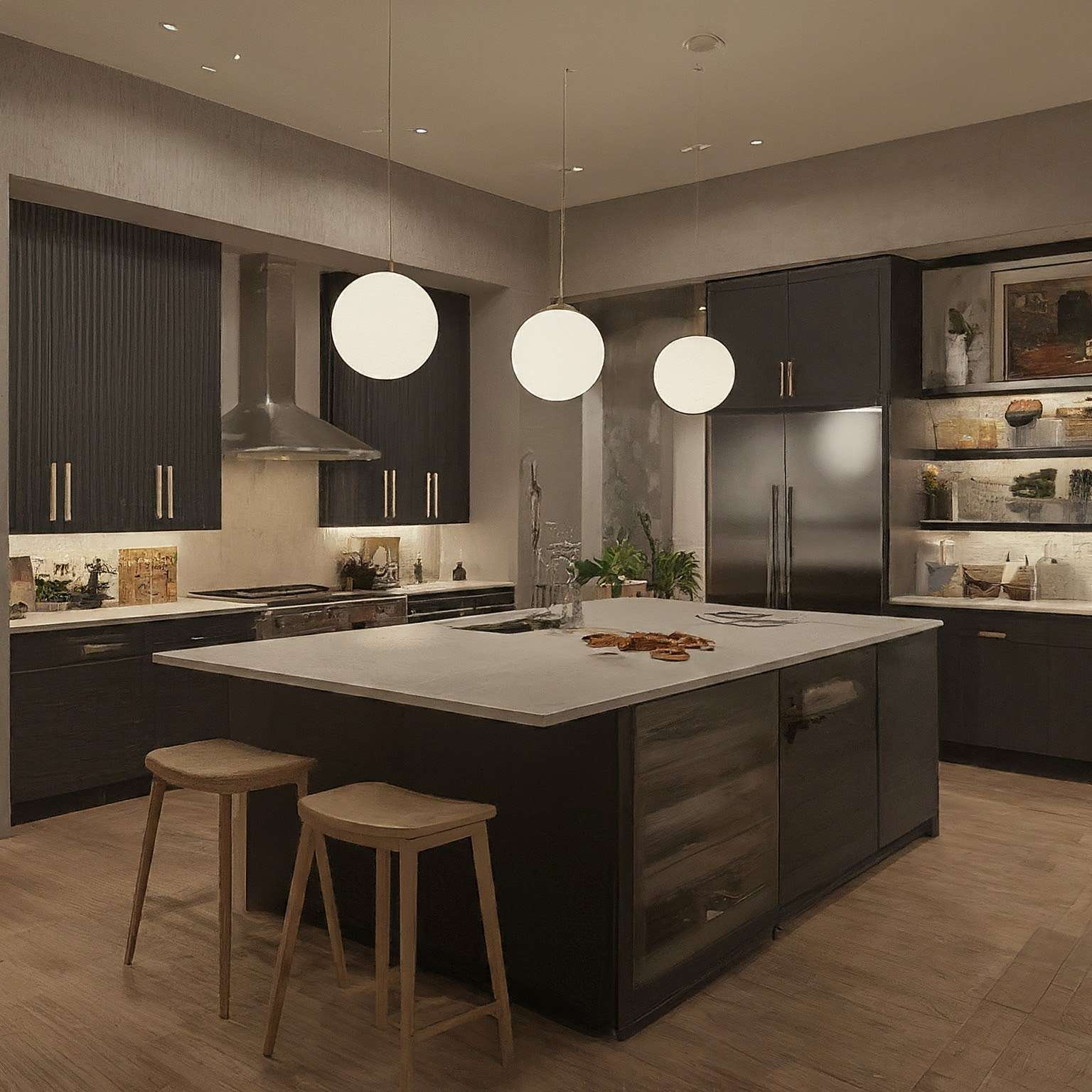
Choosing the Right Fixtures
Once you’ve determined the lighting layers, it’s time to choose the fixtures that will bring them to life. Different rooms and purposes call for different types of lighting fixtures, each offering unique benefits.
Recessed Lights
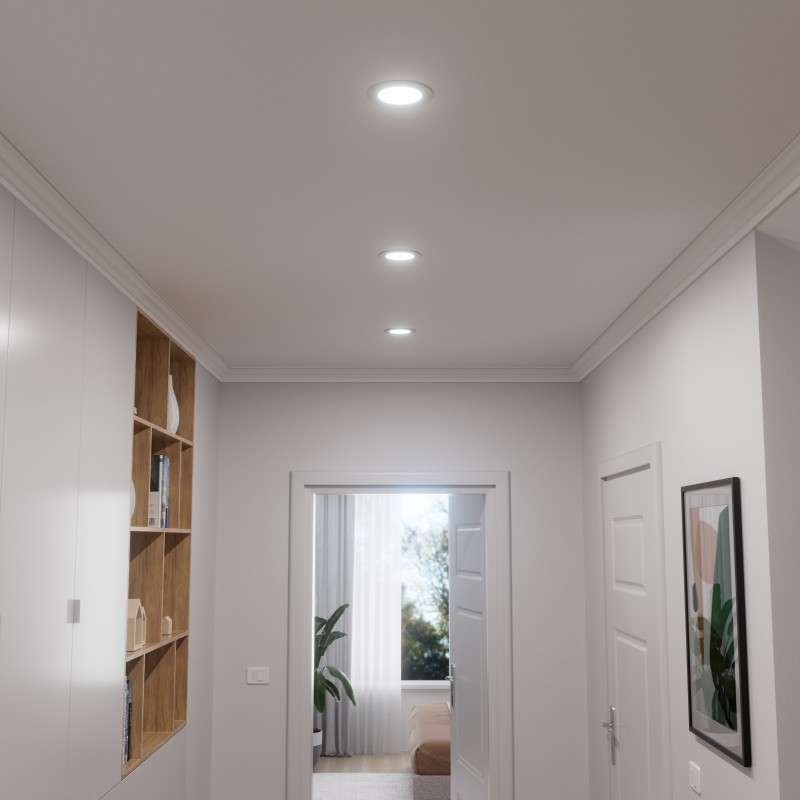
Recessed lighting is a versatile and common option for ambient, task, and accent lighting. These fixtures sit flush with the ceiling, providing clean lines and an unobtrusive light source. Ideal for living rooms, bathrooms, and kitchens, they’re perfect for spaces where you want general illumination without the clutter of visible fixtures.
Cove Lighting
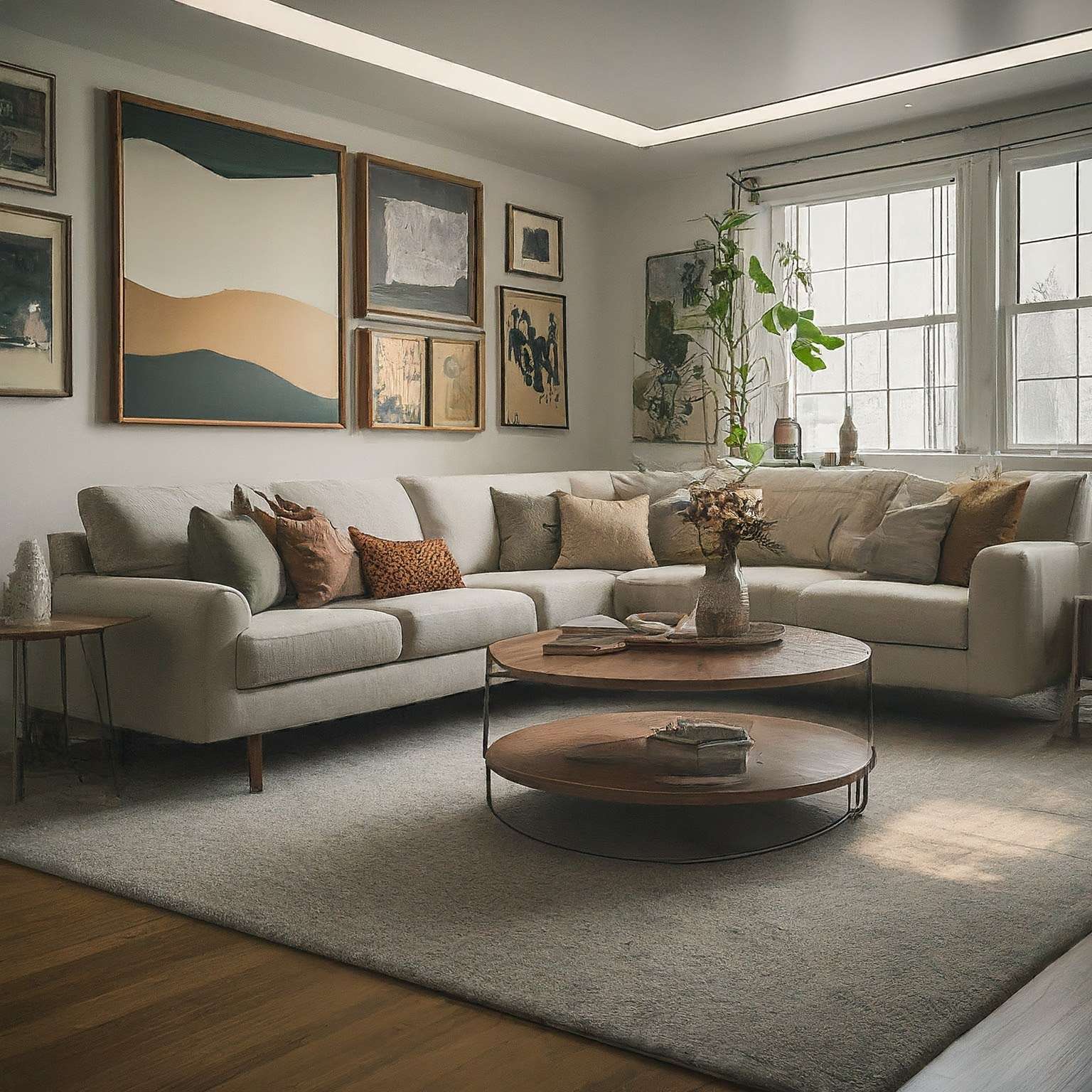
Cove lighting adds elegance to rooms with false ceilings, where the light source is hidden and directed upwards, bouncing off the ceiling to create a diffused glow. This soft, indirect light works wonderfully in living rooms and large open spaces where you want consistent ambient or accent lighting without harsh shadows.
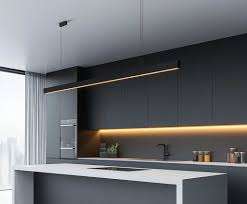
Slim-Line Bar Lights
These sleek fixtures are designed for task lighting in areas like kitchens or offices, where targeted brightness is key. Slim-line bar lights are typically mounted under cabinets or shelves, providing ample light for cooking, working, or any activity requiring precision.
Downlights
Downlights offer focused illumination, ideal for study areas, kitchen islands, or reading nooks. These fixtures can often be rotated and adjusted, allowing you to aim the light exactly where you need it. They also make excellent accent lighting when directed towards décor or architectural features.
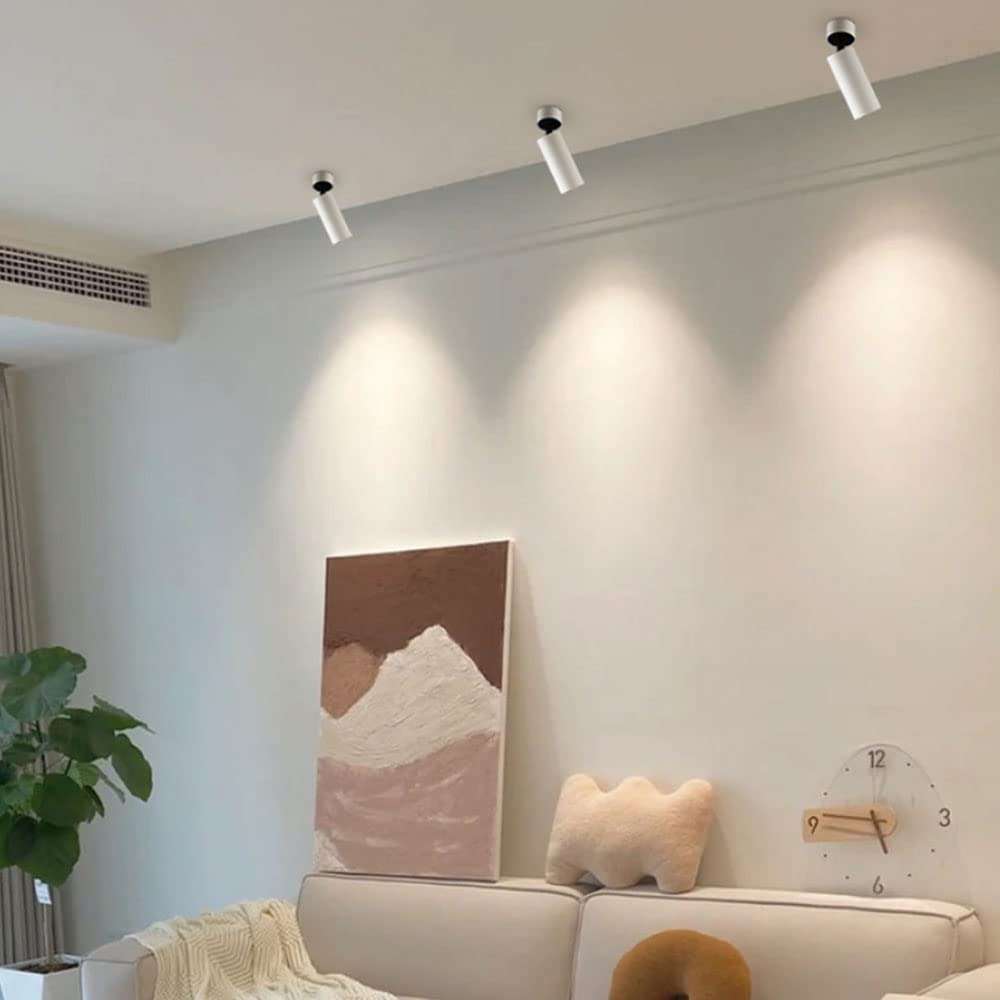
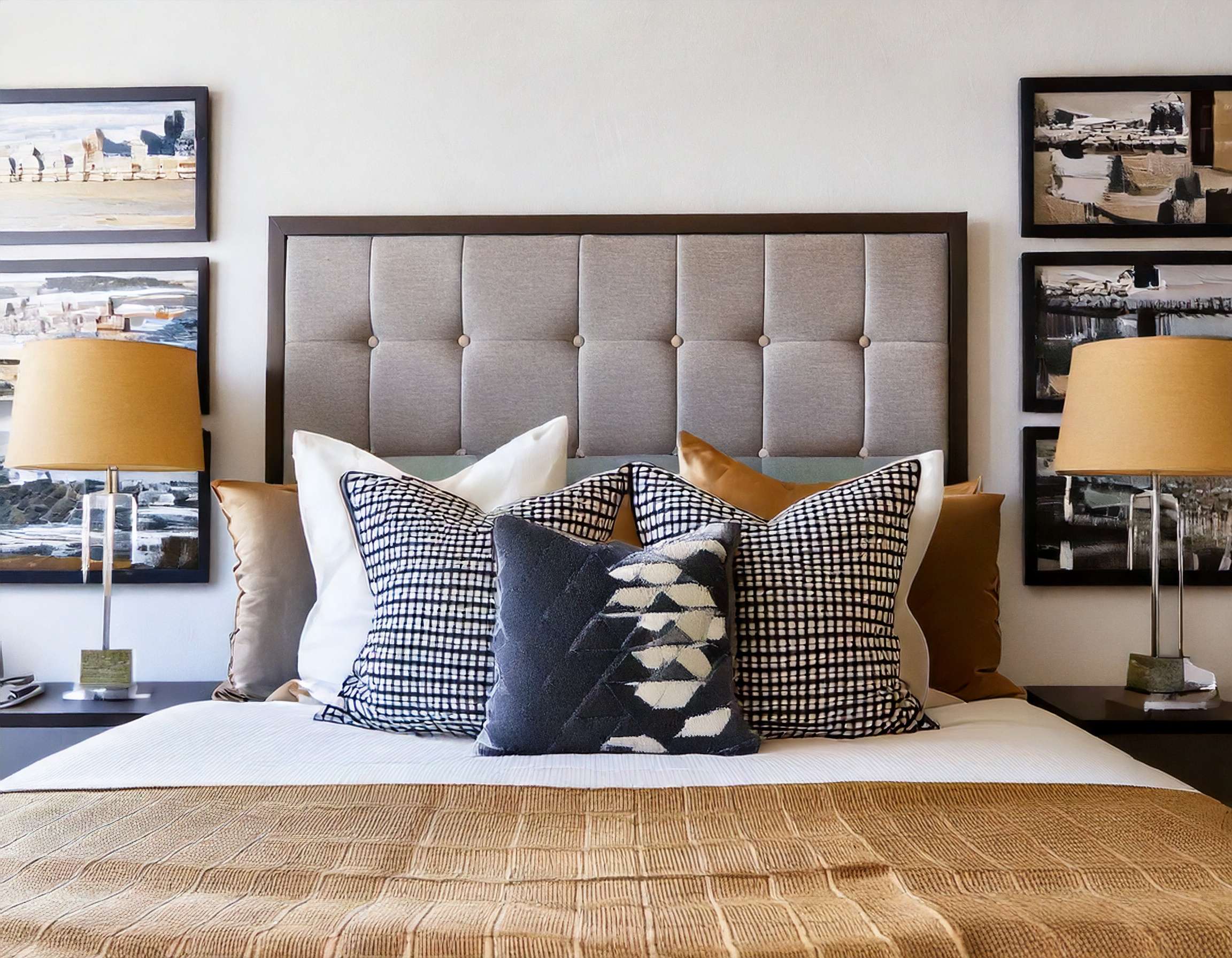
Table Lamps
Table lamps are a staple in most homes, offering both task and accent lighting in bedrooms, foyers, and living rooms. They’re portable and come in a variety of styles, making it easy to move them around and adjust the lighting as needed.
Pendant Lights
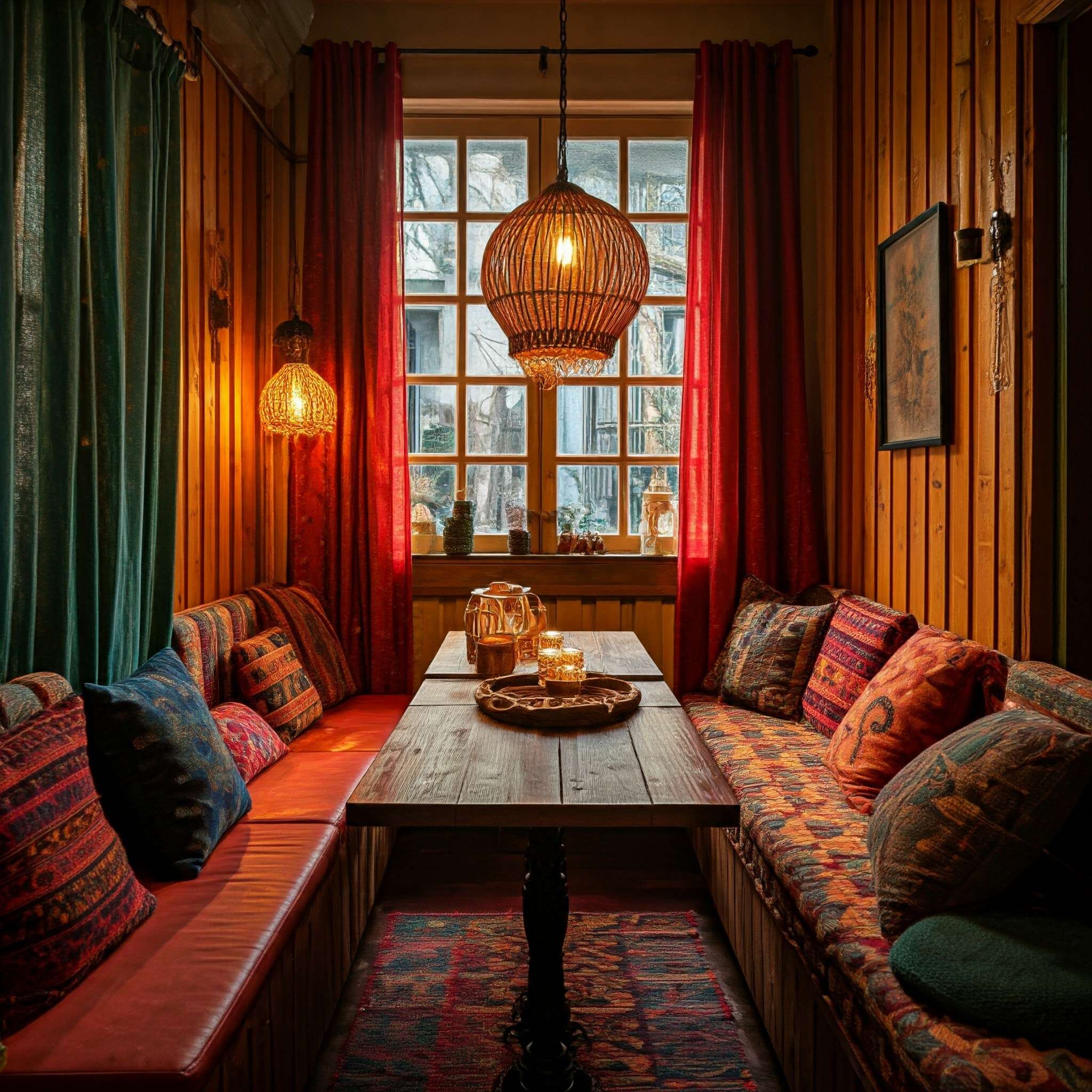
Pendant lights are a stylish and modern alternative to traditional chandeliers. Hanging from the ceiling, they draw attention to specific areas below, such as dining tables or kitchen islands. Pendant lights come in various designs and can double as both ambient and accent lighting.
Track Lighting
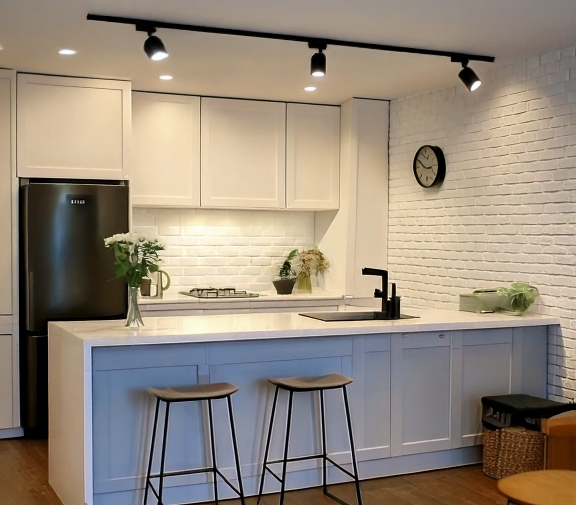
Track lighting systems are highly versatile, offering both ambient and accent lighting. They are ideal for larger spaces or for showcasing a gallery wall or other focal points. With multiple adjustable heads, track lighting can adapt to different needs within the same space.
Placement, Intensity, and Color
Even with the perfect fixtures, poor placement can make lighting ineffective or uncomfortable. Pay attention to the height and angle of your light sources to avoid harsh shadows or glare. For example, task lighting in a bathroom should be close enough to mirrors to prevent shadows while grooming, and pendant lights over a dining table should hang at a height that’s low enough to create intimacy but high enough to avoid obstructing sightlines.
Finally, don’t forget about the intensity and color of your lights. A warm, soft light can make a space feel cozy, while cooler, brighter lights are better suited for workspaces or kitchens.


