
Planning Storage Space: Your Guide to Purposeful, Functional Design
Planning Storage Space: Your Guide to Purposeful, Functional Design
Updated:

Creating efficient storage solutions is one of the most common goals in home renovations. Purposeful storage not only improves organization but also enhances the overall functionality of your living space. Whether you’re renovating or building from scratch, this guide will help you plan storage that is tailored to your specific needs, giving your home a well-organized and clutter-free look.
Designing Storage with Purpose
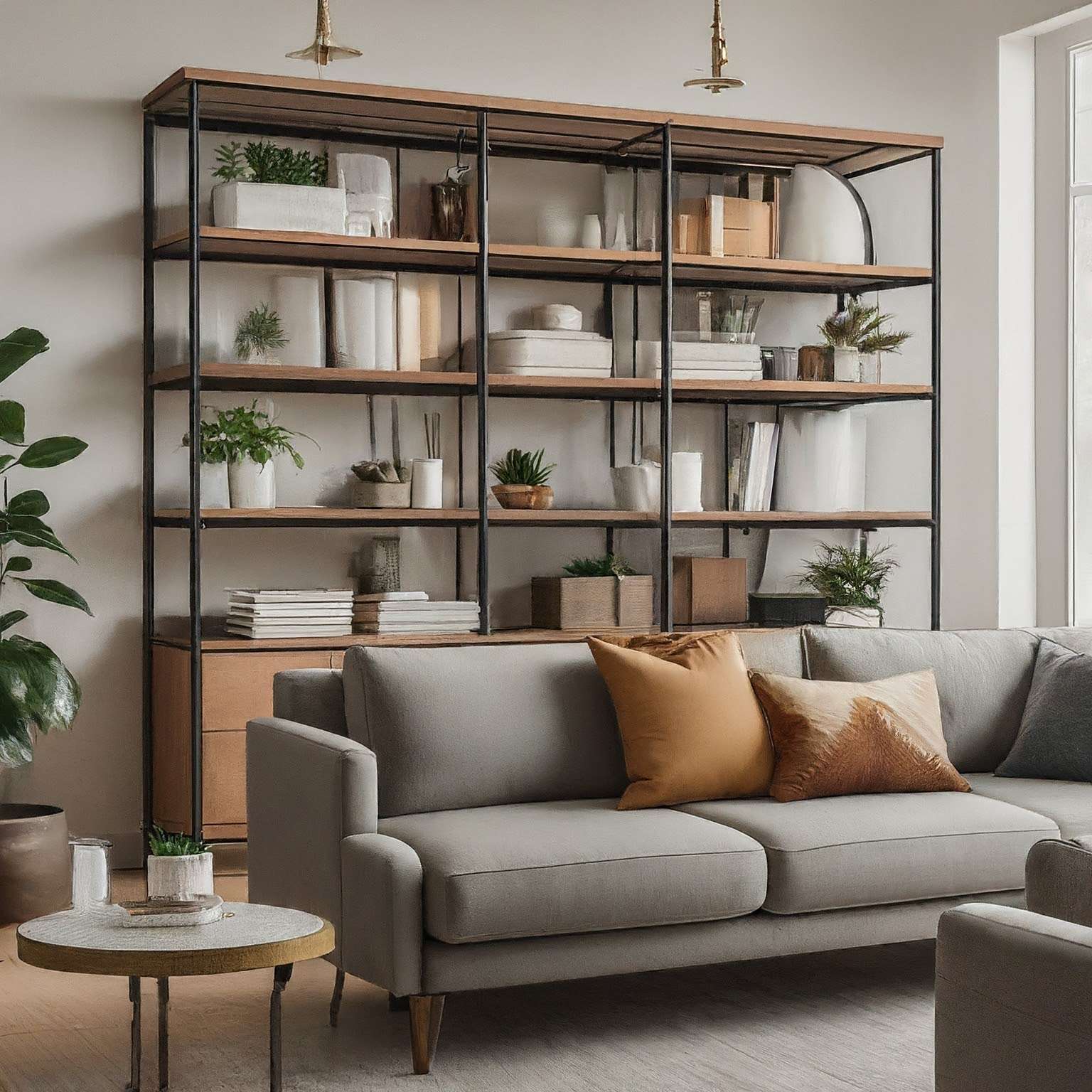
When planning storage, it’s essential to think ahead. Rather than just filling available areas with shelves or cabinets, take the time to create purposeful storage solutions that are customized to your lifestyle. This means considering not just how much space you need but also where and how items will be stored to make your daily life easier.
Step One: Make an Itemized List
The first step in creating effective storage is to make a comprehensive list of the items you need to store in each room. Walk through your home and think about everything, from the clothes in your bedroom to kitchen appliances, books, hobby materials, and cleaning supplies.
This list will be your foundation for planning storage that accommodates your daily routines and long-term storage needs. By identifying specific items for each area, you’ll ensure that everything has its place, and there’s no need to cram things into unsuitable spaces.
Step Two: Organizing Items by Accessibility and Visibility
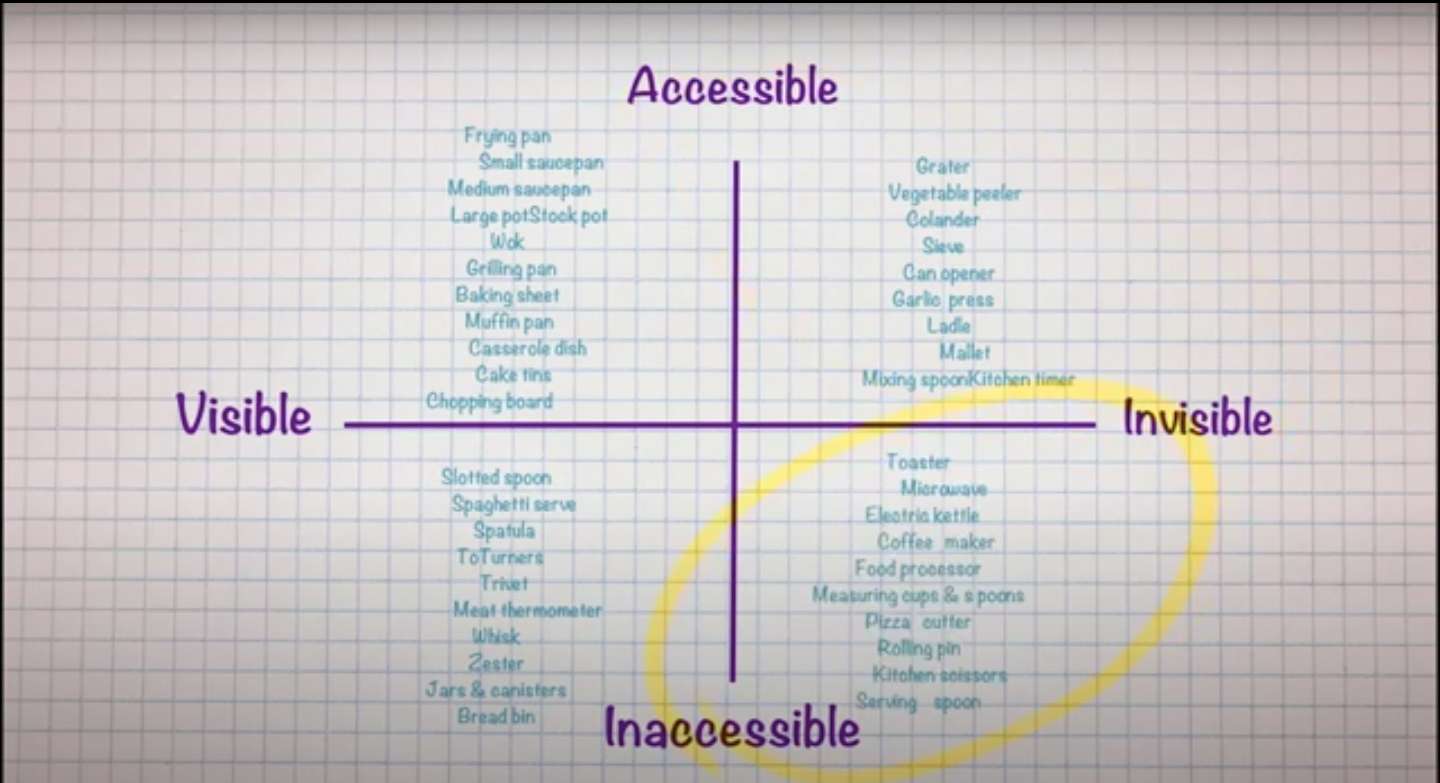
Once your list is complete, it’s time to categorize items based on how often you use them and how visible they need to be. This is crucial in designing storage that works efficiently for you.
Start by considering these two aspects:
Accessibility: Items that you use daily should be stored in places that are easy to reach. For example, frequently used kitchen tools should be stored in cabinets near the cooking area, while rarely used items like seasonal decorations can be placed in higher or more out-of-the-way spaces.
Visibility: Some items are best kept out of sight, like cleaning supplies, while others, like decorative objects or books, may be perfect for open shelving.
A simple system to use is to divide your items into four categories:
1. Visible and Accessible
2. Visible and Inaccessible
3. Invisible and Accessible
4. Invisible and Inaccessible
This process helps ensure that everything is stored logically, based on how you use your space.
Step Three: Plan Storage for Specific Needs
Not all items are stored the same way, and it’s important to consider specific needs for certain categories. For instance:
Temperature: Food storage should be away from heat sources like ovens or boilers.
Size: Bulky items, like vacuum cleaners or sports equipment, need more spacious storage solutions.
Humidity: Items like linens, books, or important documents should be stored in dry areas to avoid damage.
Thinking through these details will help you avoid issues down the road and ensure that your storage is functional and protective of your belongings.
Maximizing Space: The 80/20 Rule
An easy way to keep your home clutter-free is to apply the 80/20 rule to your storage planning. The goal is for 80% of your items to be out of sight, while the remaining 20% can be on display.
Hidden storage allows you to maintain a clean, minimalist look, particularly in smaller homes or modern spaces where visible clutter can quickly overwhelm the room. In contrast, larger homes with more traditional layouts may comfortably display a bit more.
Discovering Hidden Storage Opportunities
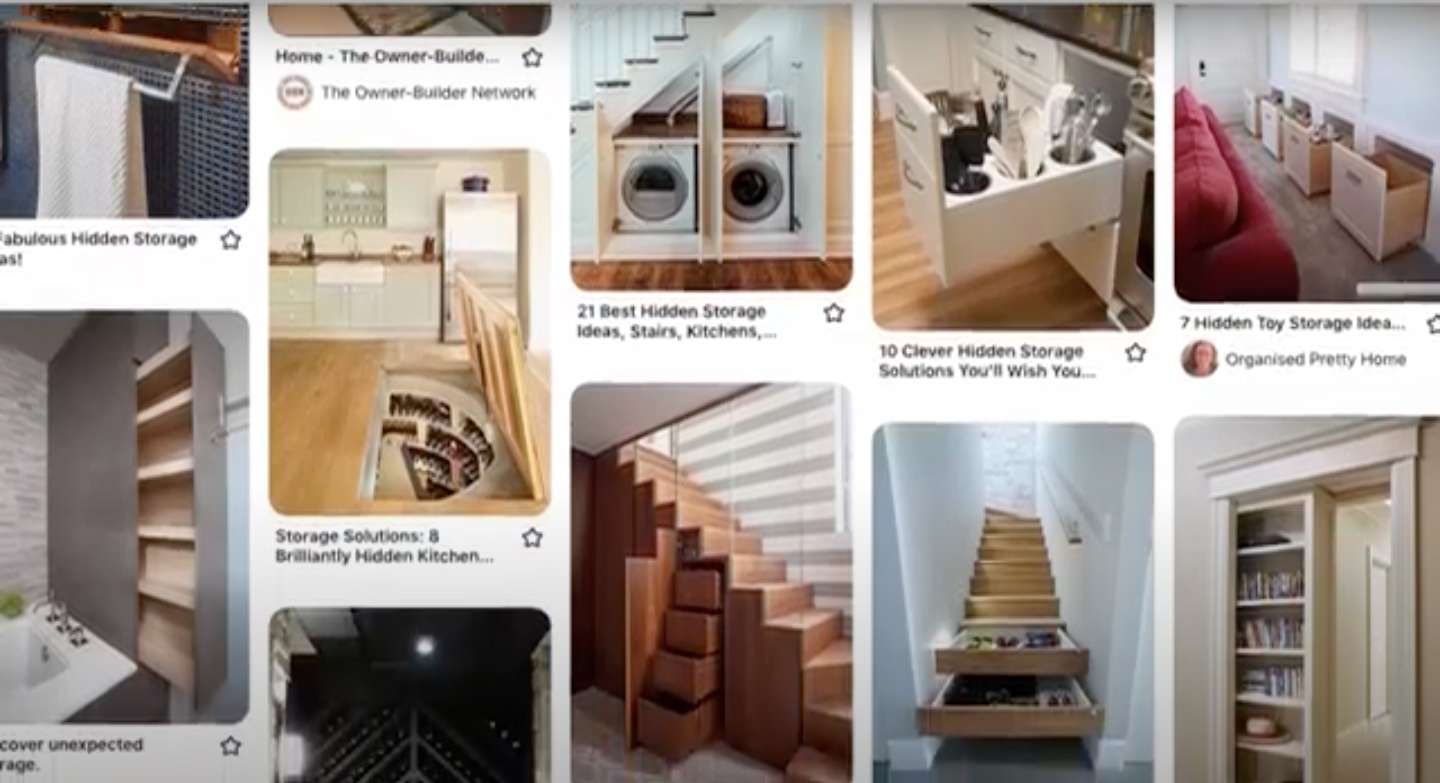
Every home has under-utilized spaces that can be transformed into valuable storage areas. Start by identifying spots like the area under the stairs, high ceilings, or corners that often go unused. These are prime opportunities to create clever storage solutions.
For instance, installing pull-out drawers under the stairs or adding shelves to the tops of closets can help maximize vertical space. Furniture with built-in storage is another smart choice — a bench with hidden compartments or a bed frame with drawers can double up as storage without sacrificing style.

Custom Storage Solutions for Seamless Integration
In some cases, built-in storage is the perfect solution for making the most of unusual spaces. Custom cabinetry, shelving units, and storage nooks can be seamlessly integrated into your home’s architecture, adding both function and beauty.
Built-in storage is ideal for rooms with challenging layouts, like sloped ceilings or tight corners. It offers the opportunity to create storage that doesn’t feel like an afterthought but rather a part of the room’s original design.
Strategic Placement for Everyday Use
Good storage is about more than just finding extra space — it’s also about strategic placement. Storage should be located near high-traffic areas where it’s easy to access what you need.
For example, kitchen storage should be centered around food preparation areas, while closets should be close to bedrooms and bathrooms. Consider marking your storage spots on a floor plan to get a better sense of how everything will flow and ensure the storage is well-distributed throughout the house.

Final Tip: Explore Creative Solutions
There’s no shortage of creative storage ideas out there. From multi-functional furniture to hidden cabinets and drawers, exploring online inspiration can lead you to unique solutions that you may not have considered.
Take your time to browse photos and examples that fit your style and needs. Whether it’s a sleek modern storage solution or something more traditional, you’ll find that creative options often combine beauty with function, enhancing both the appearance and usability of your space.