
How to Master Interior Design
How to Master Interior Design
Updated:
Creating a beautifully designed home is more approachable than it might seem. By focusing on two fundamental areas - layout and style, you can transform any room into a space that’s both functional and aesthetically pleasing. This guide breaks down these essentials into easy-to-follow steps to help you design with confidence.
Creating a beautifully designed home is more approachable than it might seem. By focusing on two fundamental areas - layout and style, you can transform any room into a space that’s both functional and aesthetically pleasing. This guide breaks down these essentials into easy-to-follow steps to help you design with confidence.
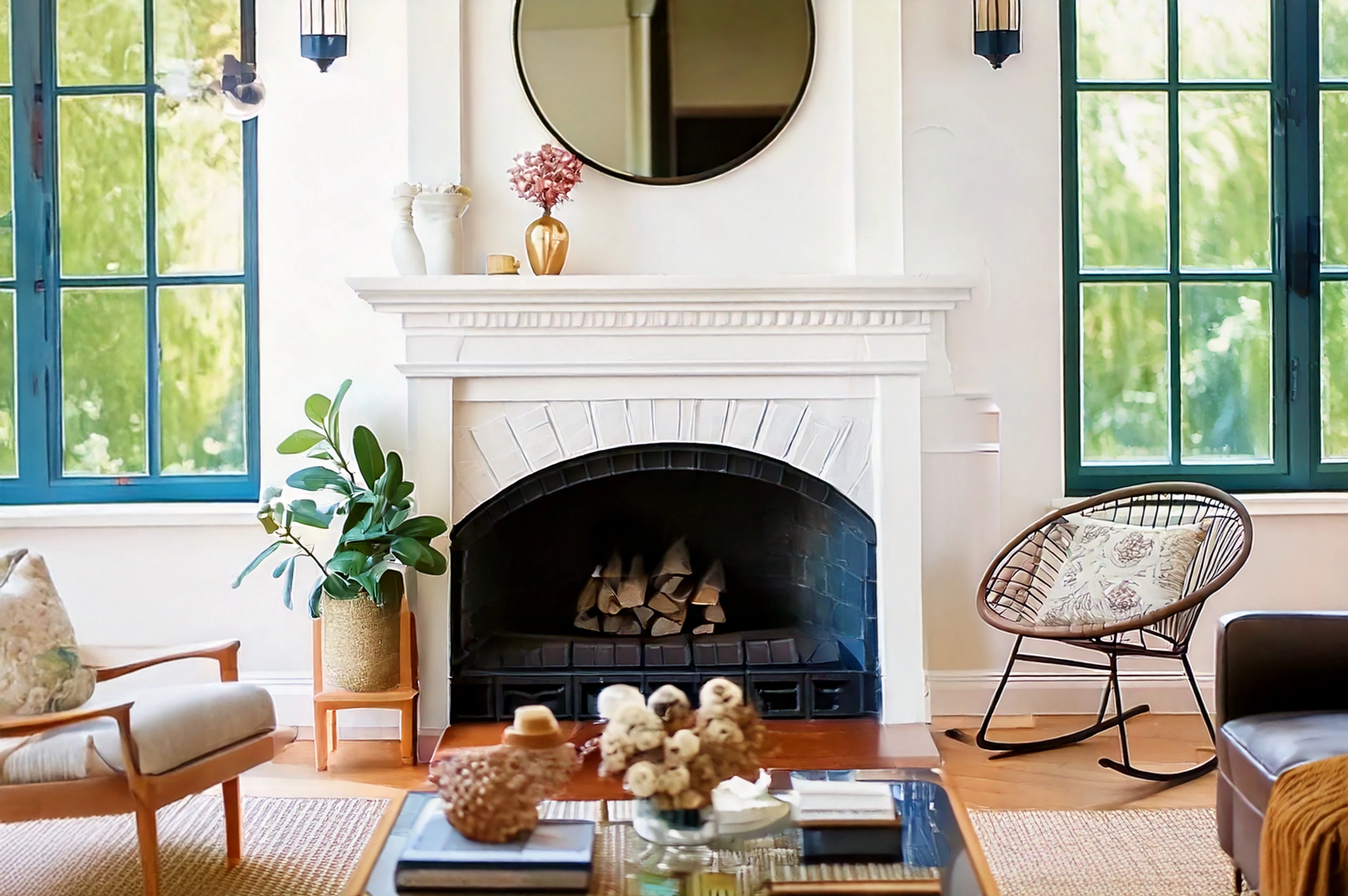
Designing or redesigning the interiors of your home can feel like a huge undertaking, but breaking it down into smaller, manageable steps can make the process smoother and more enjoyable. This guide walks you through the essentials of interior design—focusing on layout and style—so you can create a space that’s both functional and visually stunning.
Interior Design: The Basics
Interior design can be divided into two key elements: layout and style. These two aspects work together to bring your vision to life. Let’s explore each in detail.
Layout
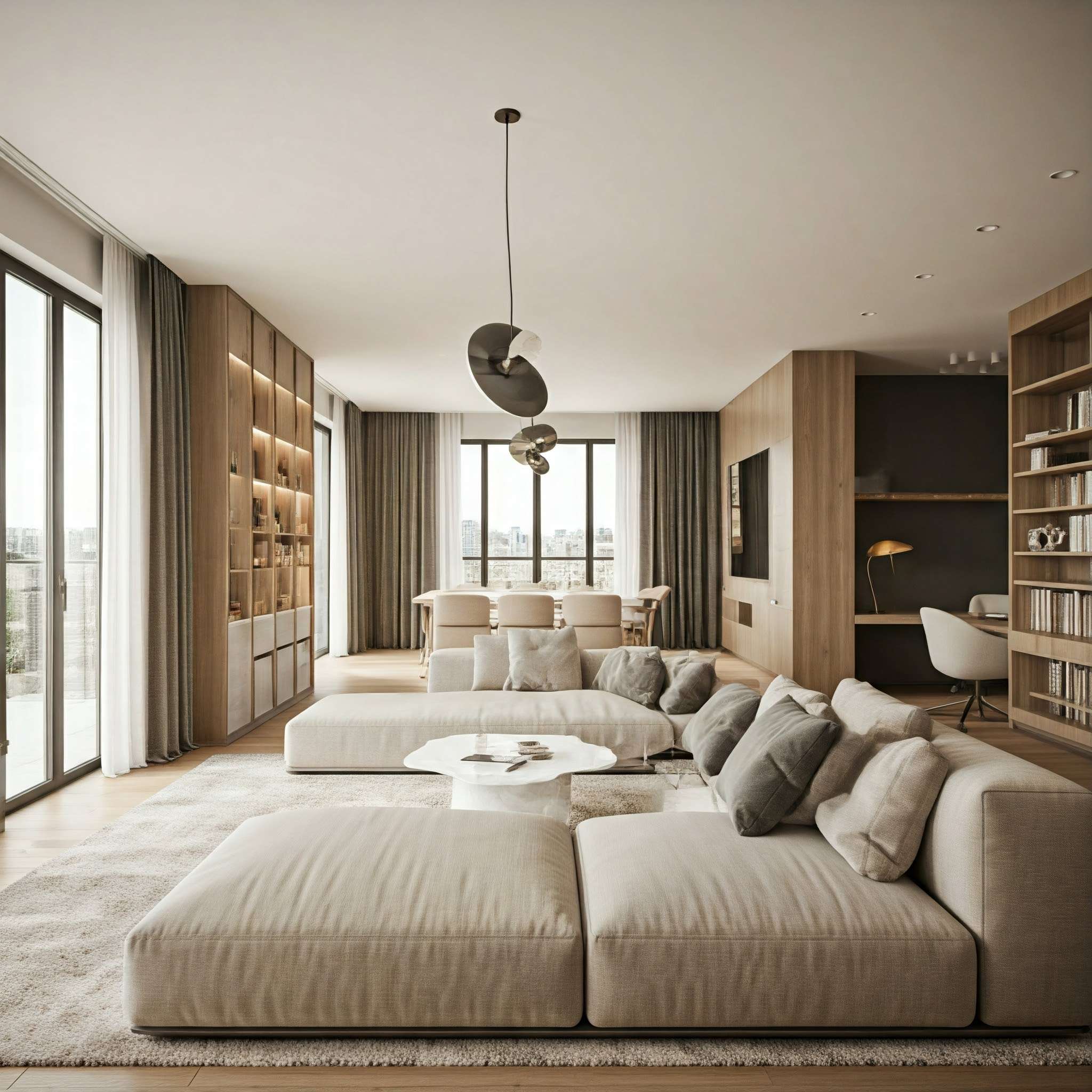
The layout of a room is all about shape and positioning. It defines how each piece of furniture, fixture, and feature fits into the space you have. Your layout should not only reflect the room’s dimensions but also take into account how you plan to use the space. For example, if you love hosting guests, you might prioritize a large, comfortable sofa. If you work from home or have children, leaving room for a desk or play area could be key.
Style
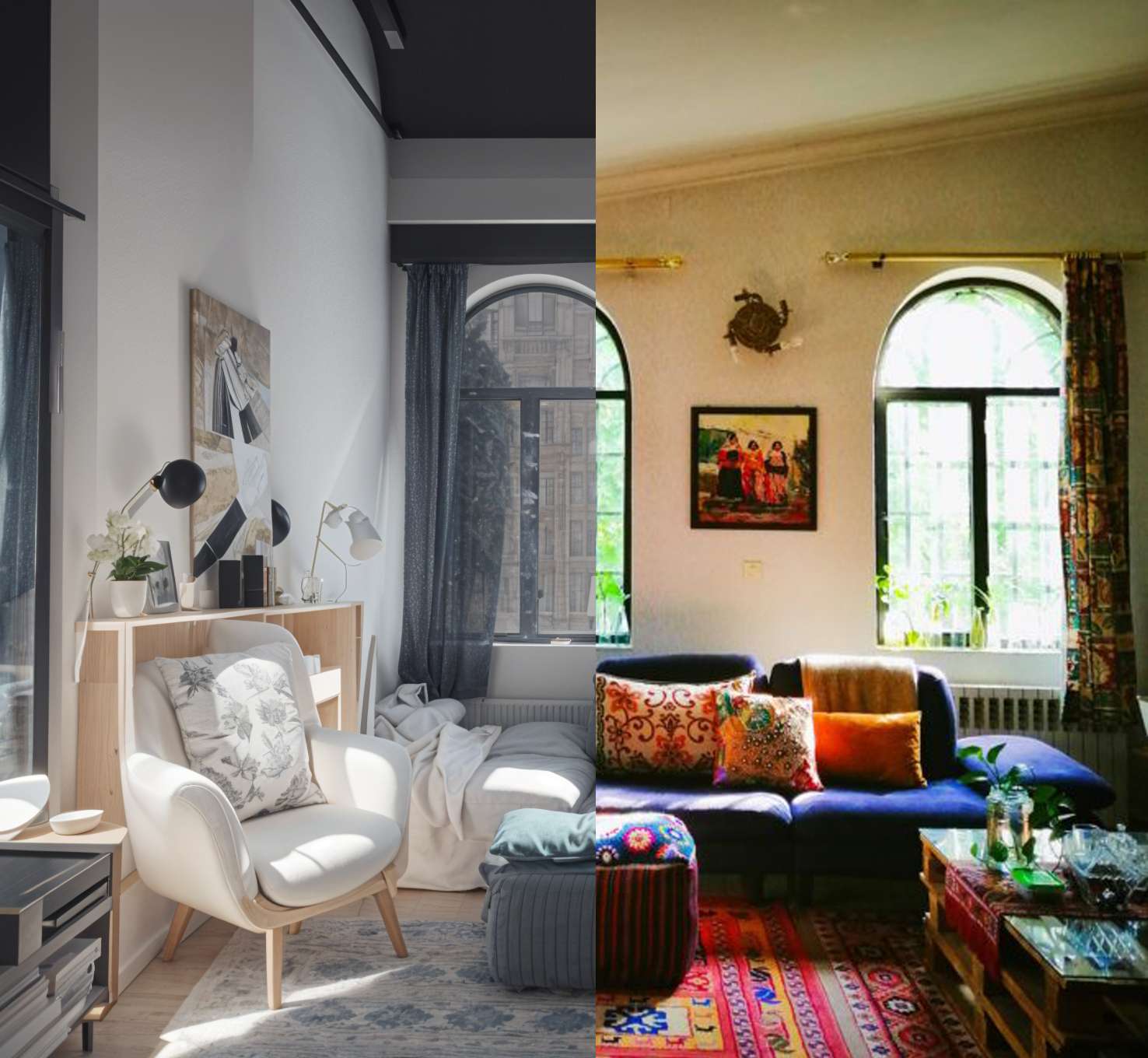
While layout is more restrictive, style gives you creative freedom. This is where your personal taste comes into play, but it’s also essential to keep practical considerations in mind when selecting colors, materials, and finishes. For instance, darker colors or certain textures might make a room feel smaller or less inviting.
Styling can dramatically transform a room even if the layout stays the same. A minimalist layout can look vastly different when styled in a modern or bohemian theme, so be sure to consider how your style choices impact the overall vibe of the room.
How to Document Your Design
Proper documentation helps ensure that your ideas are effectively communicated, whether you’re working with a contractor, architect, or tradesperson. Here’s how to document your layout and style:
Floorplans
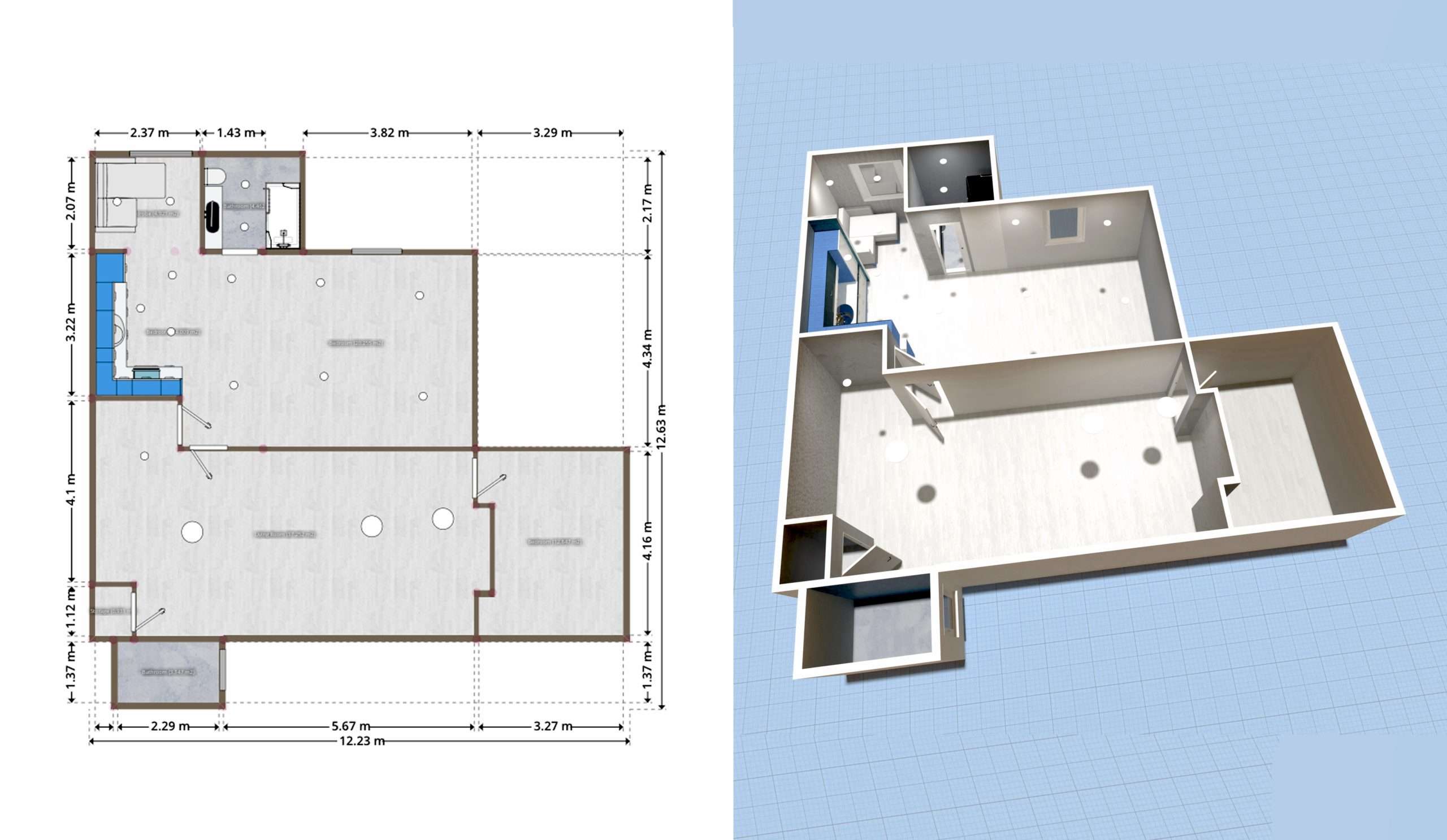
The most important document for layout design is the floorplan. This bird’s-eye view gives you a clear understanding of the room’s structure. There are two types of floorplans: 2D and 3D. While 2D plans are essential, 3D plans can make it easier to visualize the space.
Elevation Drawings
Elevation drawings provide a side view of the room, which is particularly useful for details like the height of windows or the placement of kitchen cabinets. This type of drawing focuses on individual walls—north, south, east, or west—and highlights features that may not be visible in a floorplan.
Using Mood Boards for Styling
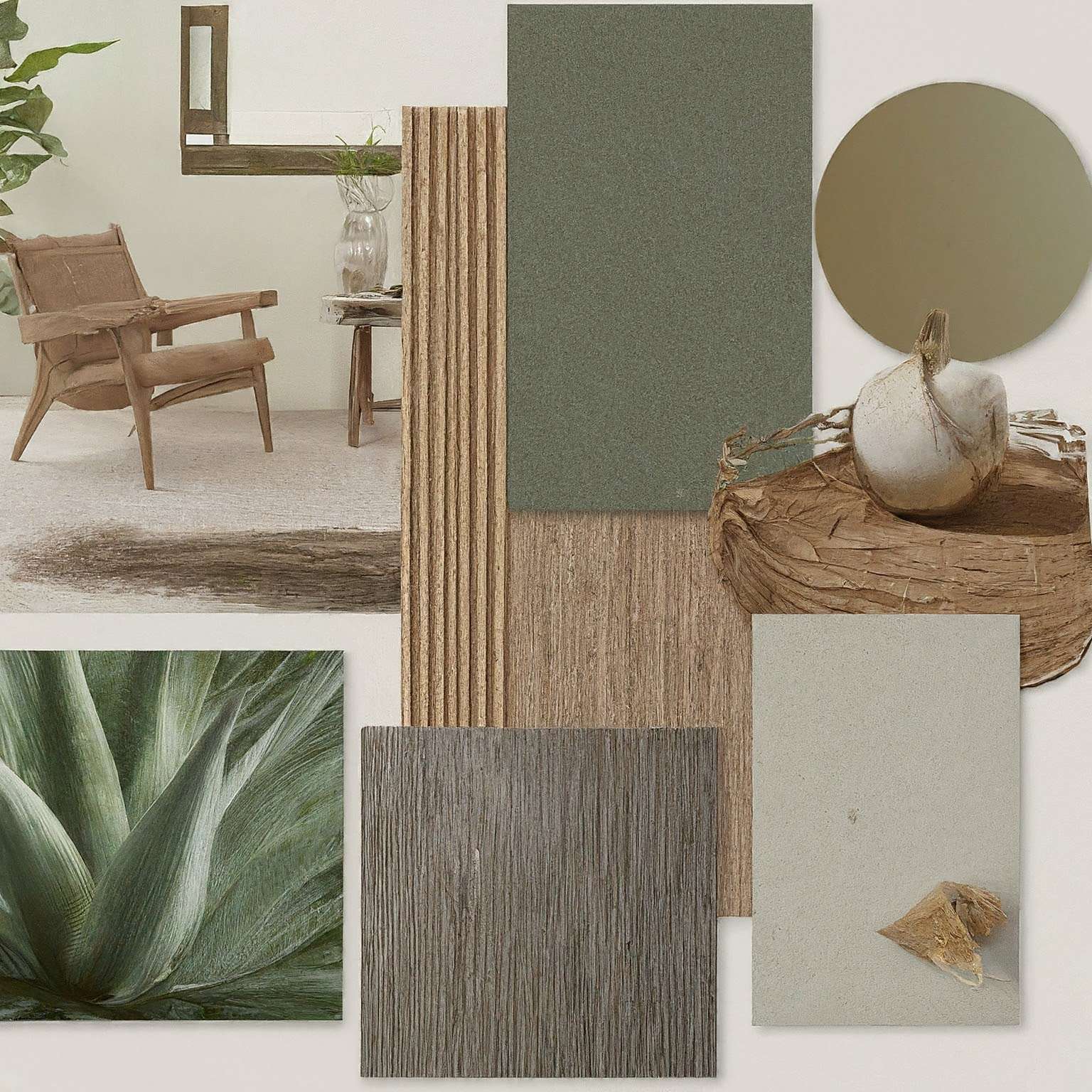
Once your layout is finalized, it’s time to focus on the mood and style of the space. A mood board is a powerful tool that helps you define and document your style choices. It can be as specific or abstract as you like, serving as a visual journal of your design inspiration.
You can use a mood board to showcase color schemes, textures, pieces of furniture, and other elements that speak to your desired aesthetic. This way, you’ll have a clear reference to guide your styling decisions and share your vision with others.