

Making the Most of Daylight: A Guide to Designing Your Home Around Natural Light
Making the Most of Daylight: A Guide to Designing Your Home Around Natural Light
Updated:
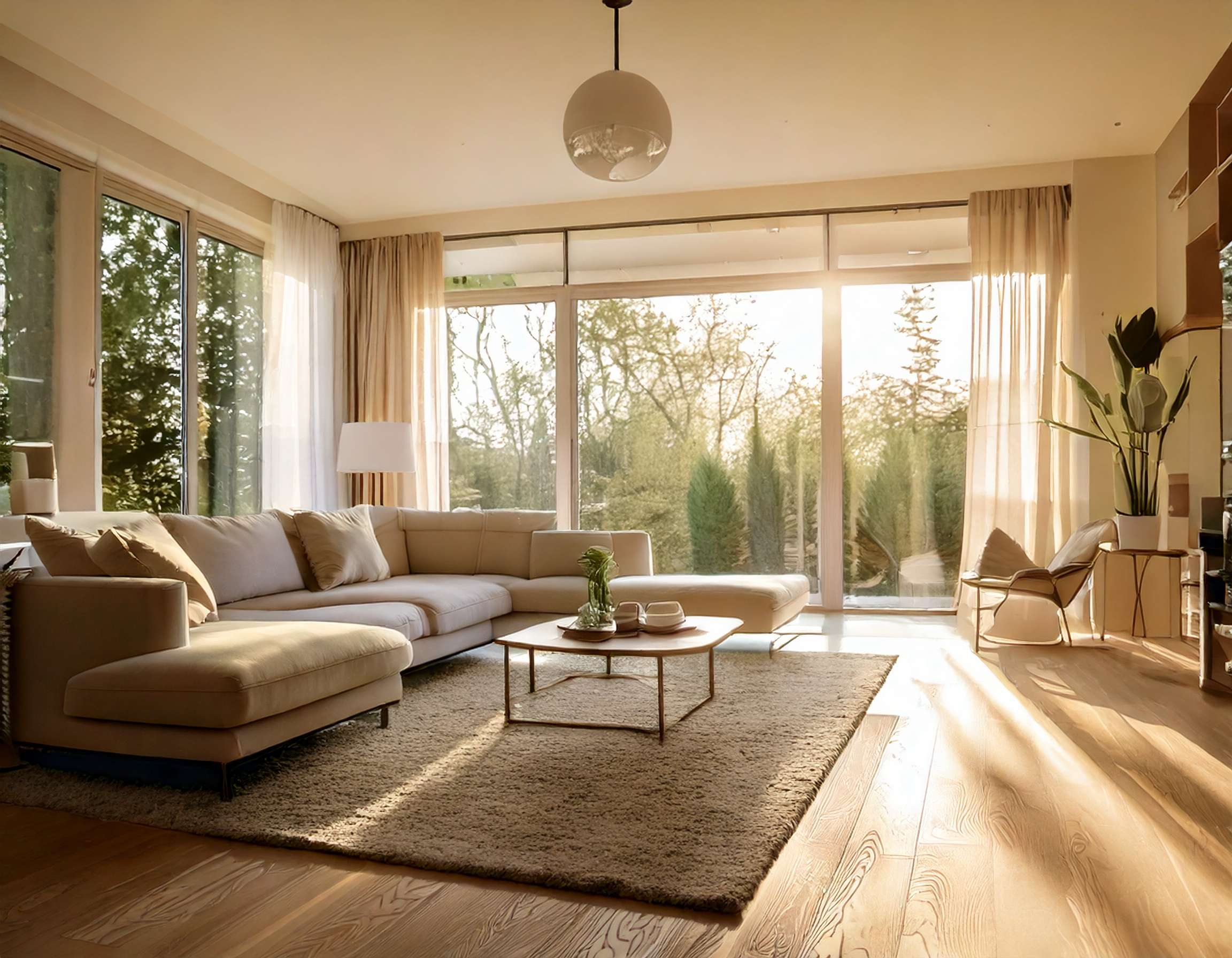
When we think about home design, we often focus on aesthetics, furniture, and functionality. But one key factor that’s frequently overlooked is natural light. The direction your rooms face has a significant impact on both the light and temperature in your home, influencing how each space feels and functions throughout the day. This guide will help you understand how to make the most of natural daylight by considering the position of your rooms in relation to the sun’s path.
Why Direction Matters in Home Design
The direction in which your rooms face plays a crucial role in determining how much daylight they receive and how warm or cool they feel. Understanding the relationship between the sun’s movement and your home’s layout can help you choose the ideal function for each room. It also allows you to plan for any necessary adjustments to control light and temperature, such as adding curtains, planting trees, or using reflective surfaces to enhance brightness.
This guide focuses on homes in the Northern Hemisphere. If you’re located in the Southern Hemisphere, simply reverse the directions.

North-Facing Rooms: Cool and Calm
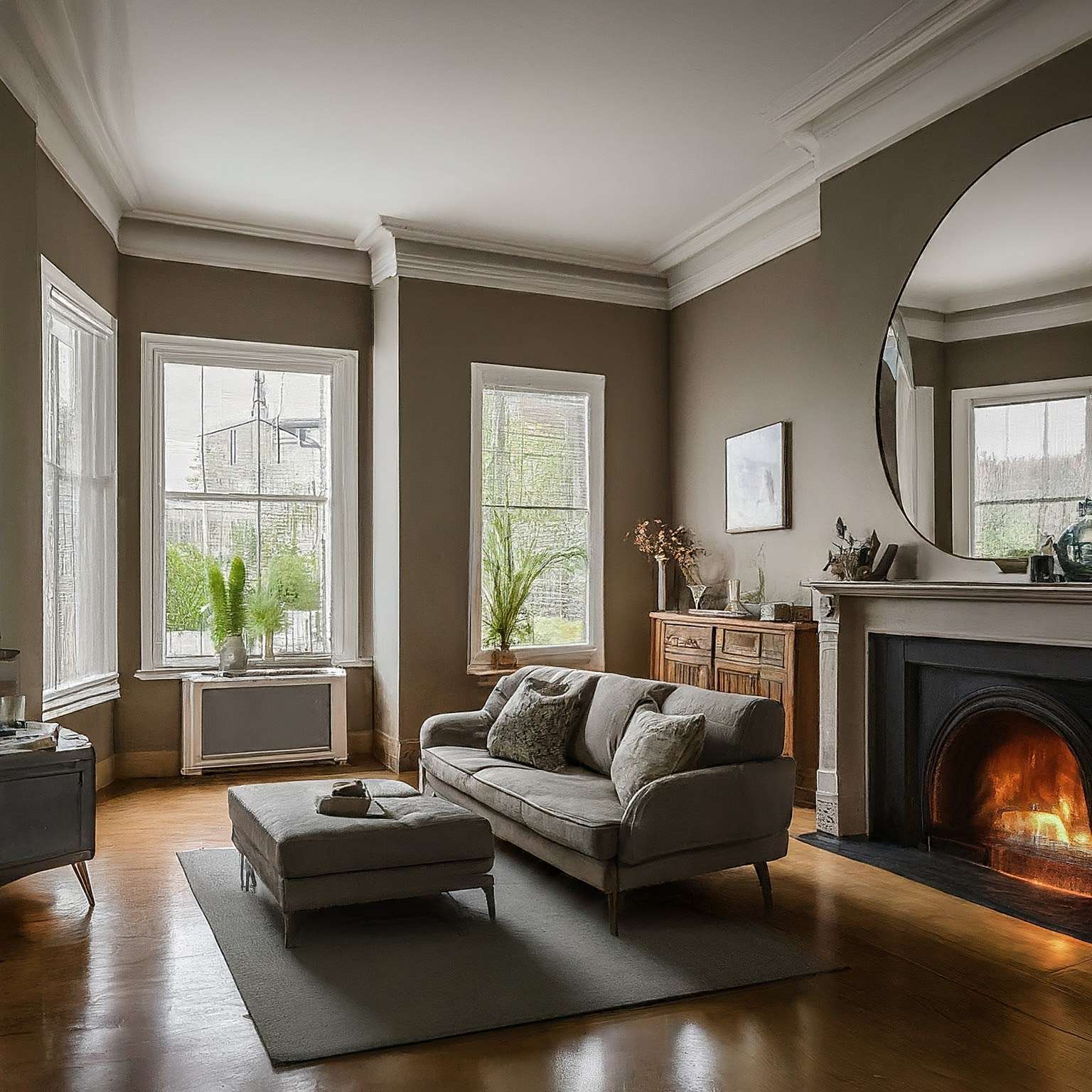
North-facing rooms tend to be the coolest and darkest spaces in a home. Since they only receive direct sunlight early in the morning or late in the evening, these rooms often feel more shaded throughout the day. While this can be beneficial for creating a peaceful, subdued atmosphere, it can also make the room feel cold and a little dim.
To make the most of these spaces, consider using reflective surfaces such as mirrors or metallic finishes to bounce natural light around the room. You can also opt for bright, light-colored decor that helps to lift the overall feel. Since daylight is limited, it’s especially important to invest in quality lighting to brighten up the space when natural light is scarce.
East-Facing Rooms: Morning Sunshine
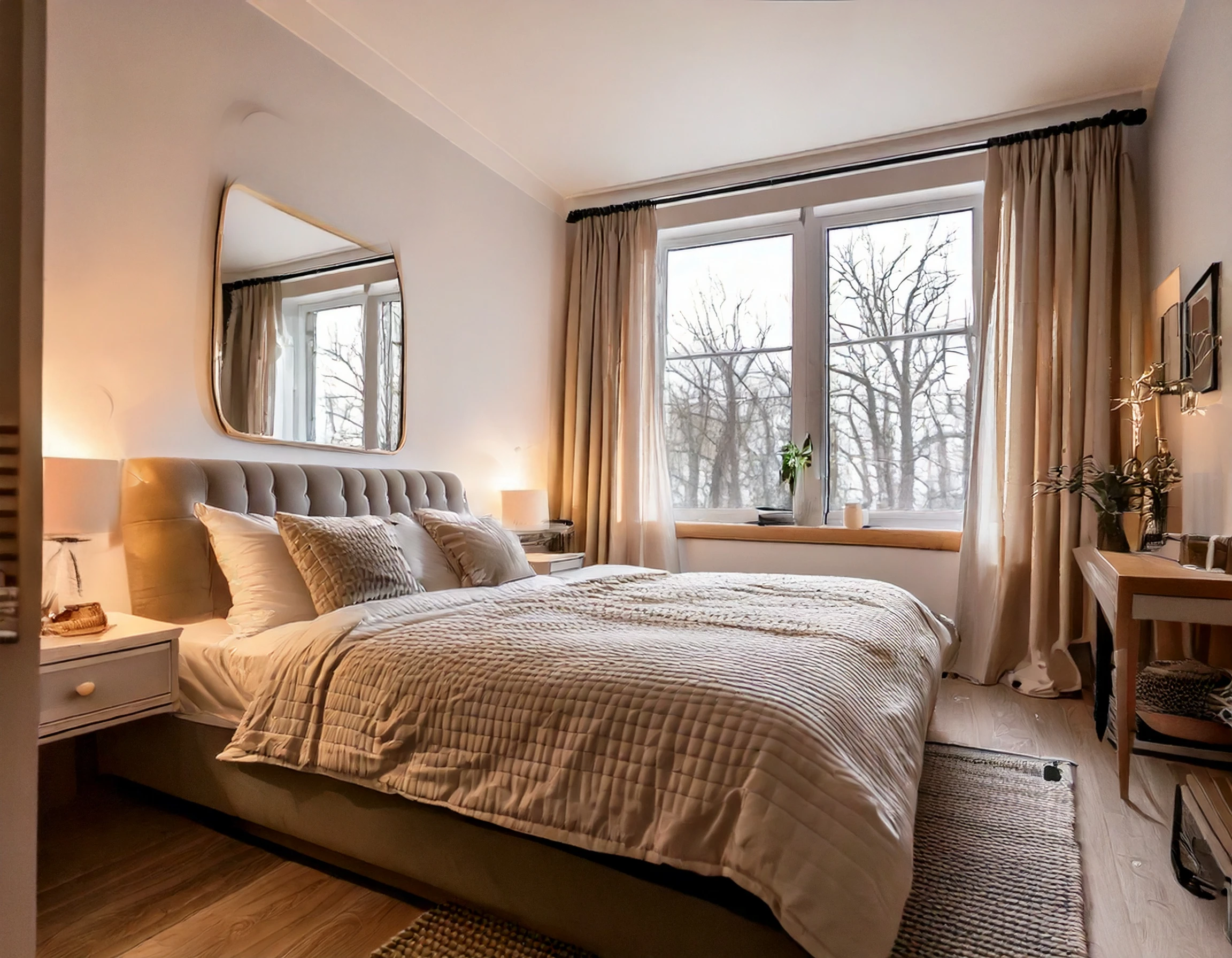
East-facing rooms benefit from the sun’s morning rays, making them bright and warm at the start of the day. As the sun rises in the east, these rooms receive natural light throughout the morning, making them ideal for spaces where you’ll be active in the early hours, such as the kitchen or breakfast nook.
During summer, east-facing rooms will heat up quickly in the morning but tend to cool down by the afternoon. In the winter, however, they can feel chillier as the morning sunlight fades. To optimize the light and warmth, choose light-filtering window treatments that allow sunlight to flood in without being too harsh.
South-Facing Rooms: Sun-Drenched Spaces
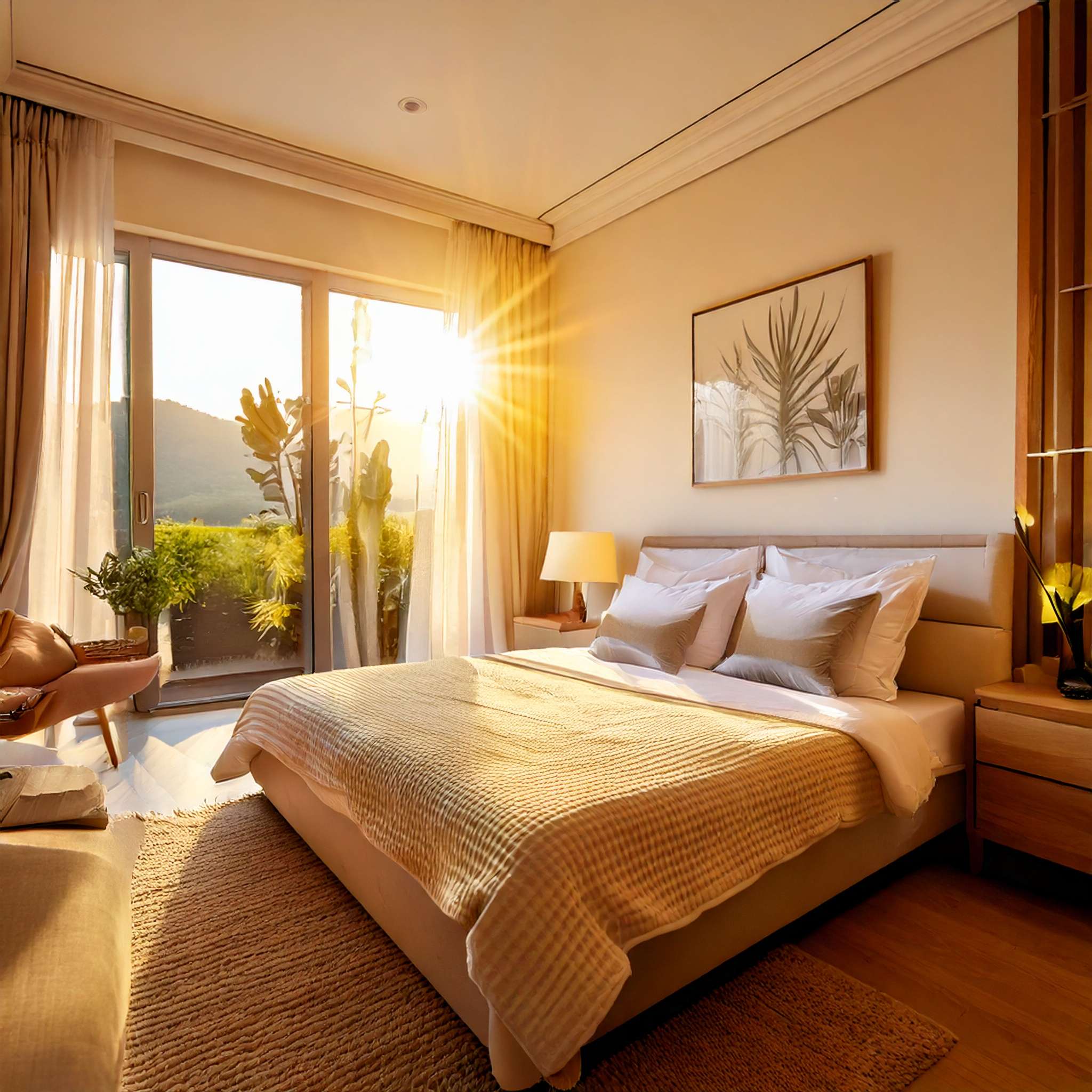
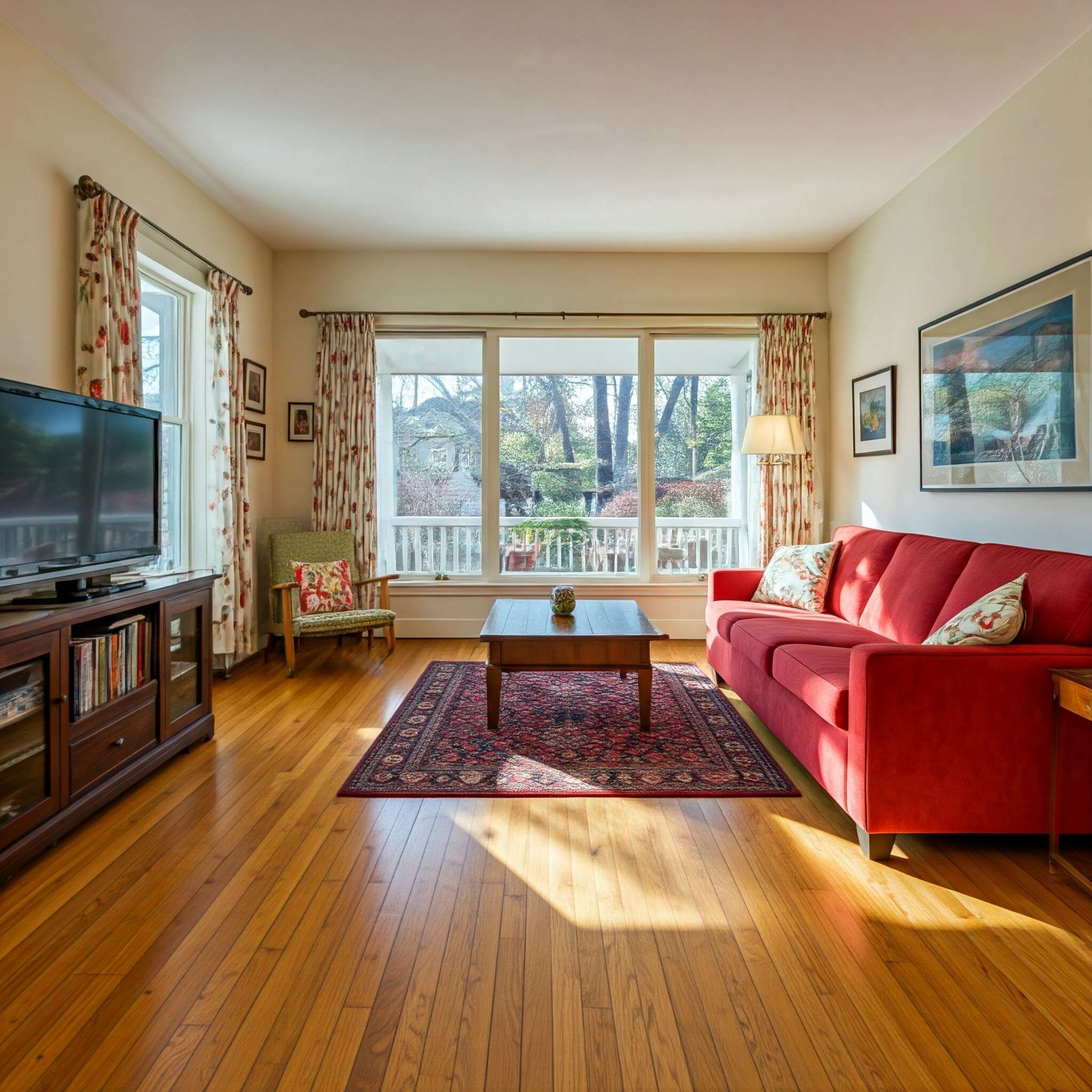
South-facing rooms are known for receiving the most sunlight throughout the day. In the Northern Hemisphere, these rooms are sun-drenched from morning until evening, making them the brightest and warmest areas in your home. This makes south-facing rooms perfect for living spaces or family rooms where you want a cozy, inviting atmosphere.
However, the abundance of sunlight can sometimes become overwhelming, especially in the summer months. To keep the temperature comfortable, it’s a good idea to install light-blocking curtains or blinds to cool the room and prevent UV damage to furniture and flooring. Fabrics and materials that fade easily, such as wood and certain textiles, can quickly lose their color when exposed to direct sunlight for too long, so it’s important to protect them.
West-Facing Rooms: Afternoon Heat
West-facing rooms bear the brunt of the afternoon and evening sun, which can make them hot and overexposed to intense sunlight. This can cause materials like wood, paint, and fabric to deteriorate faster. The heat buildup in west-facing rooms can also make them uncomfortable, particularly in the summer months.
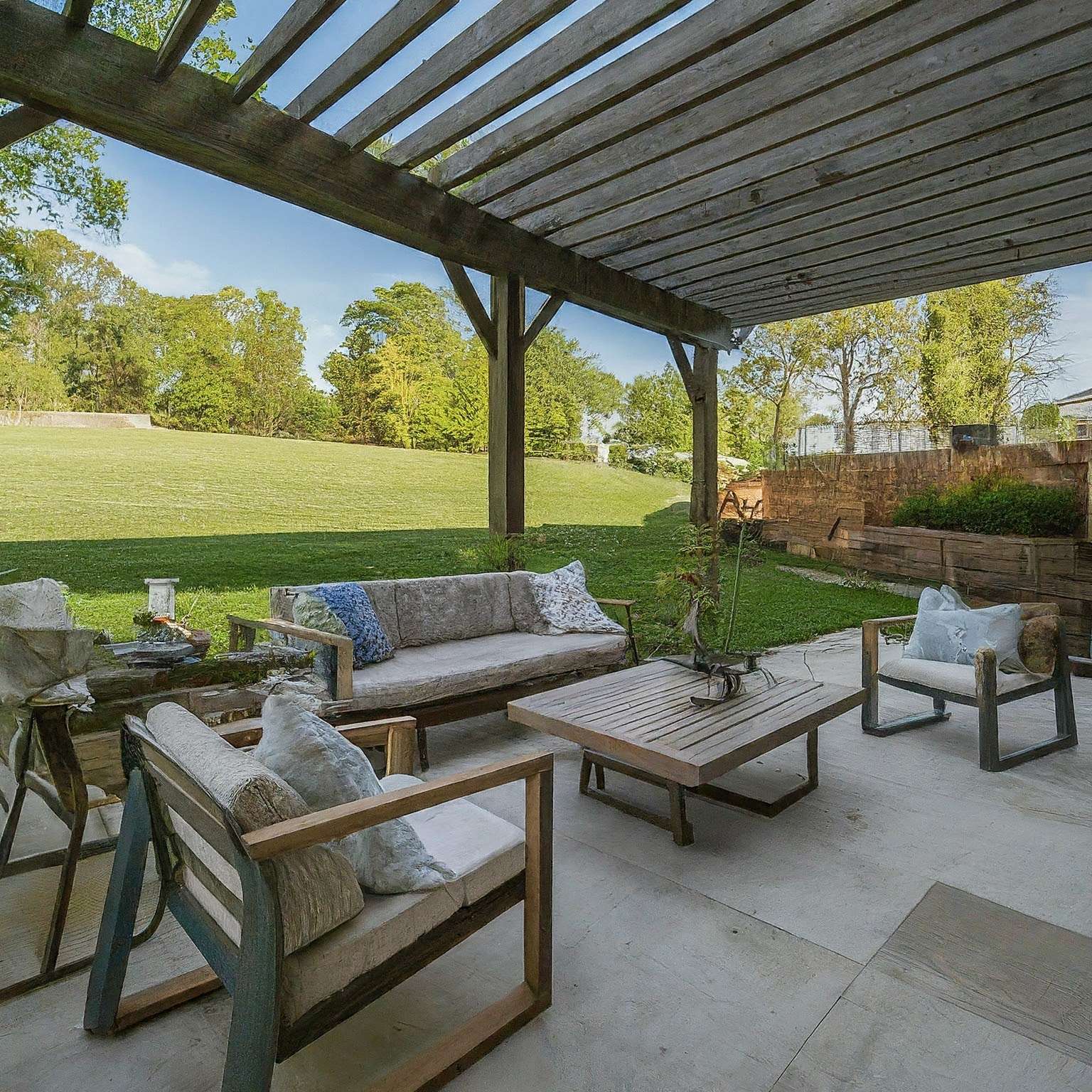
To combat this, it’s wise to add shading elements like trees, bushes, or pergolas outside your west-facing windows. These will help block some of the direct sunlight and reduce the room’s temperature. For bedrooms or other spaces where you need darkness, investing in blackout curtains is essential. These will help block out both the light and the heat, ensuring a more comfortable environment for sleeping or relaxing.
Tips for Making the Most of Daylight
Now that you understand how different room orientations affect light and temperature, here are a few practical tips to ensure your home is designed to make the best use of natural light:
1. Plan room functions based on light: Position spaces like living rooms and kitchens where you’ll benefit from lots of sunlight. Save darker, cooler areas for bedrooms or storage spaces where bright light isn’t essential.
2. Use mirrors and light-colored finishes: These can help reflect natural light in rooms that tend to be darker, such as north-facing spaces.
3. Add shading elements to west-facing rooms: Use trees, bushes, or curtains to help protect rooms from the strong afternoon sun.
4. Consider thermal performance: If you live in a particularly hot or cold climate, adjust your window treatments accordingly. Thick, thermal curtains can help retain warmth in cooler months and block heat during the summer.
5. Think about UV protection: In sunny rooms, UV-blocking window films or shades can help prevent your furniture, artwork, and flooring from fading over time.
6. Making the most of daylight is all about understanding how light and temperature change throughout the day, depending on the direction your rooms face. By tailoring your home’s layout to take advantage of these natural elements, you can create spaces that feel bright, comfortable, and perfectly suited to your needs.


