
Creating the Perfect Flow in Your Home
Creating the Perfect Flow in Your Home
Updated:
Learn how to optimize your home’s layout for better flow and a more functional living space.
Learn how to optimize your home’s layout for better flow and a more functional living space.
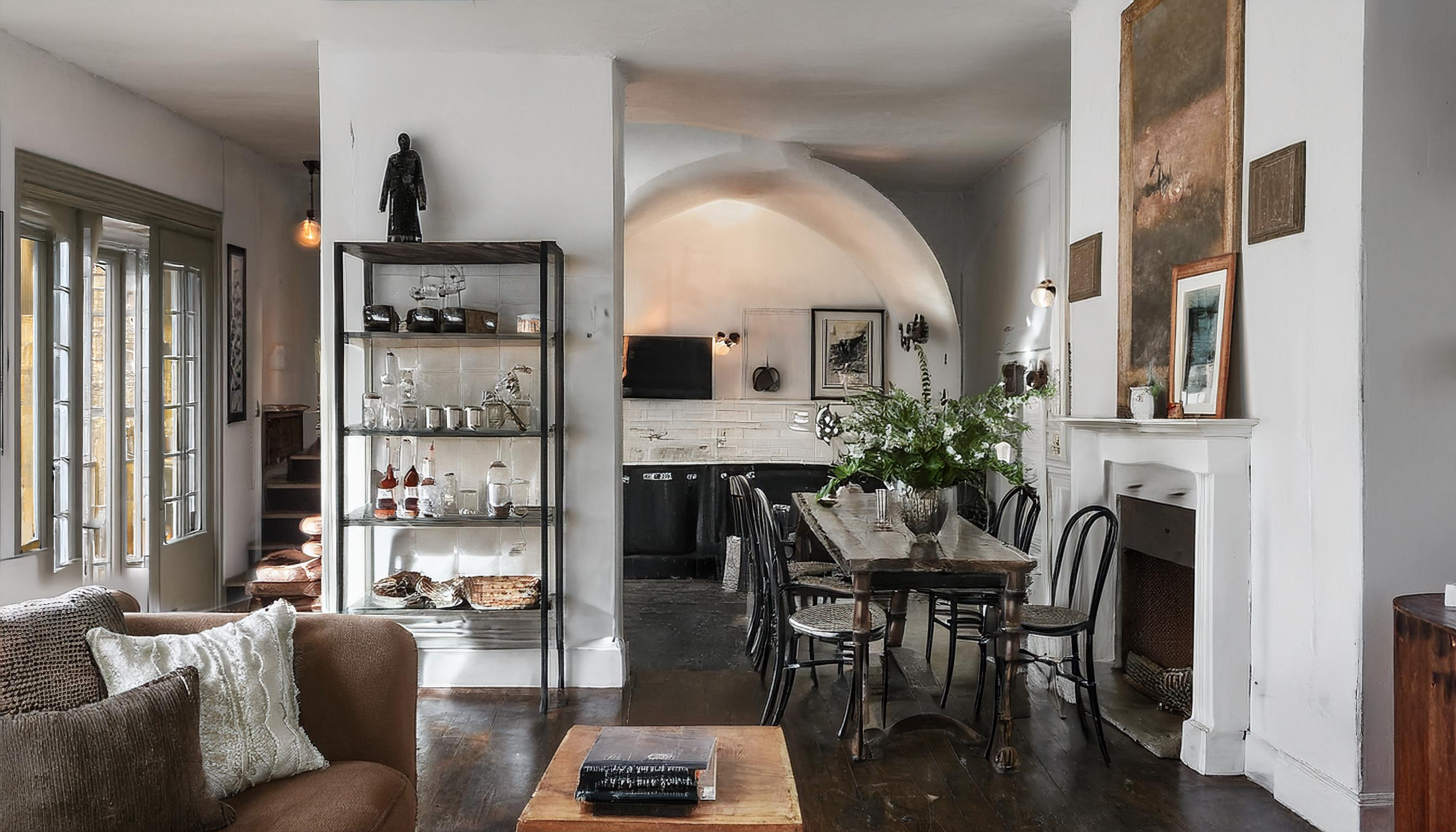
When it comes to home design, it’s not just about appearance—it’s about function. One of the key elements to achieving a functional space is ensuring your home has the right flow. The layout of your floorplan, furniture, and even the décor all contribute to how easily people can move through the space. In this article, we’ll walk you through how to design your home for optimal flow, making it work best for you and your family.
Understanding Flow and Why It Matters
The flow of a home refers to how people move through it and how spaces connect to each other. When there is good flow, movement feels natural, smooth, and easy. Poor flow, on the other hand, can lead to awkward, cramped areas where it’s difficult to get from one place to another.
To get started, it helps to think about your daily patterns of movement: Where do family members spend the most time? What rooms do they go to most often? Identifying these paths will help you create a map of your home’s high-traffic areas.
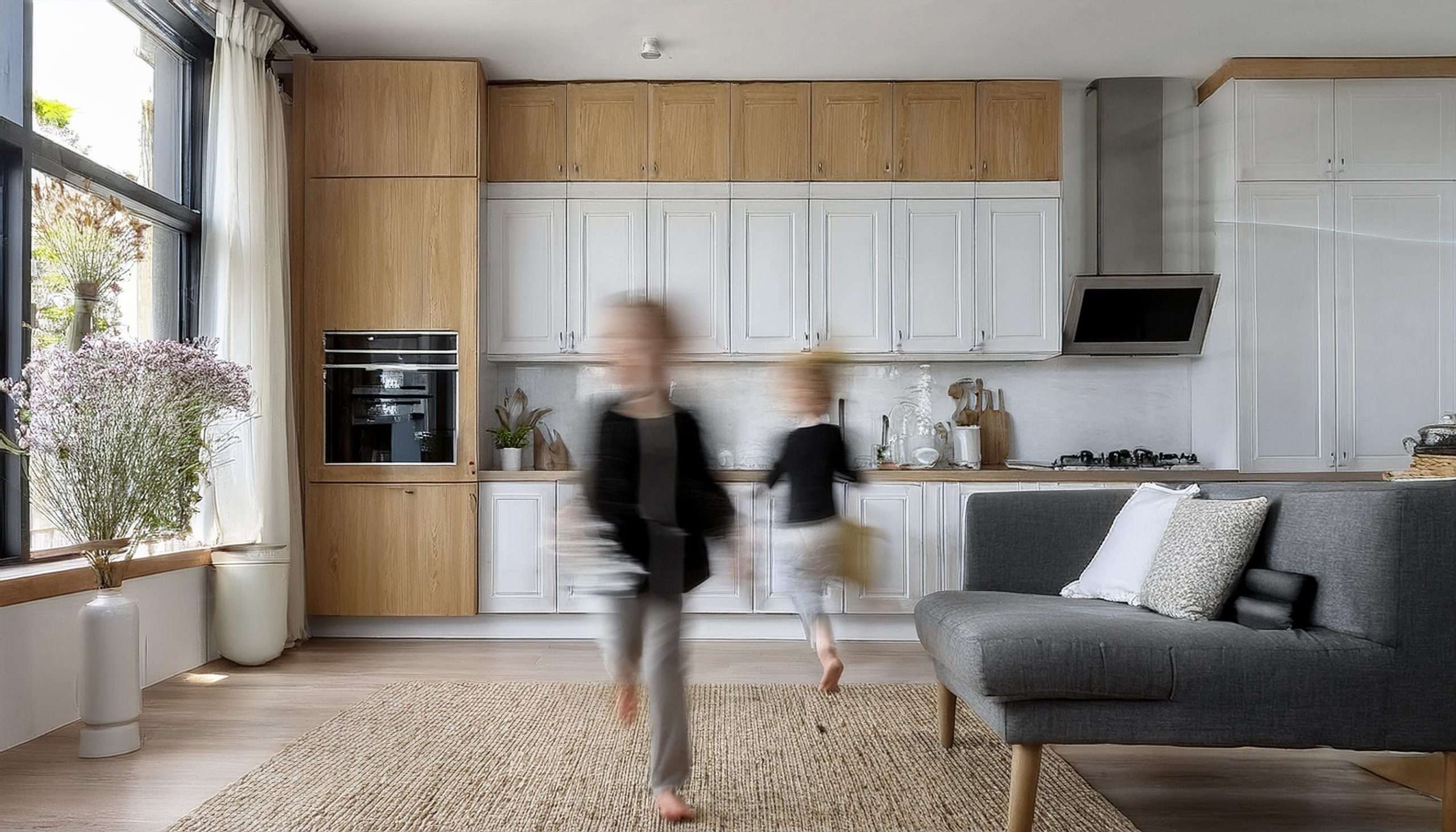
Mapping Out Zones and Movement Paths
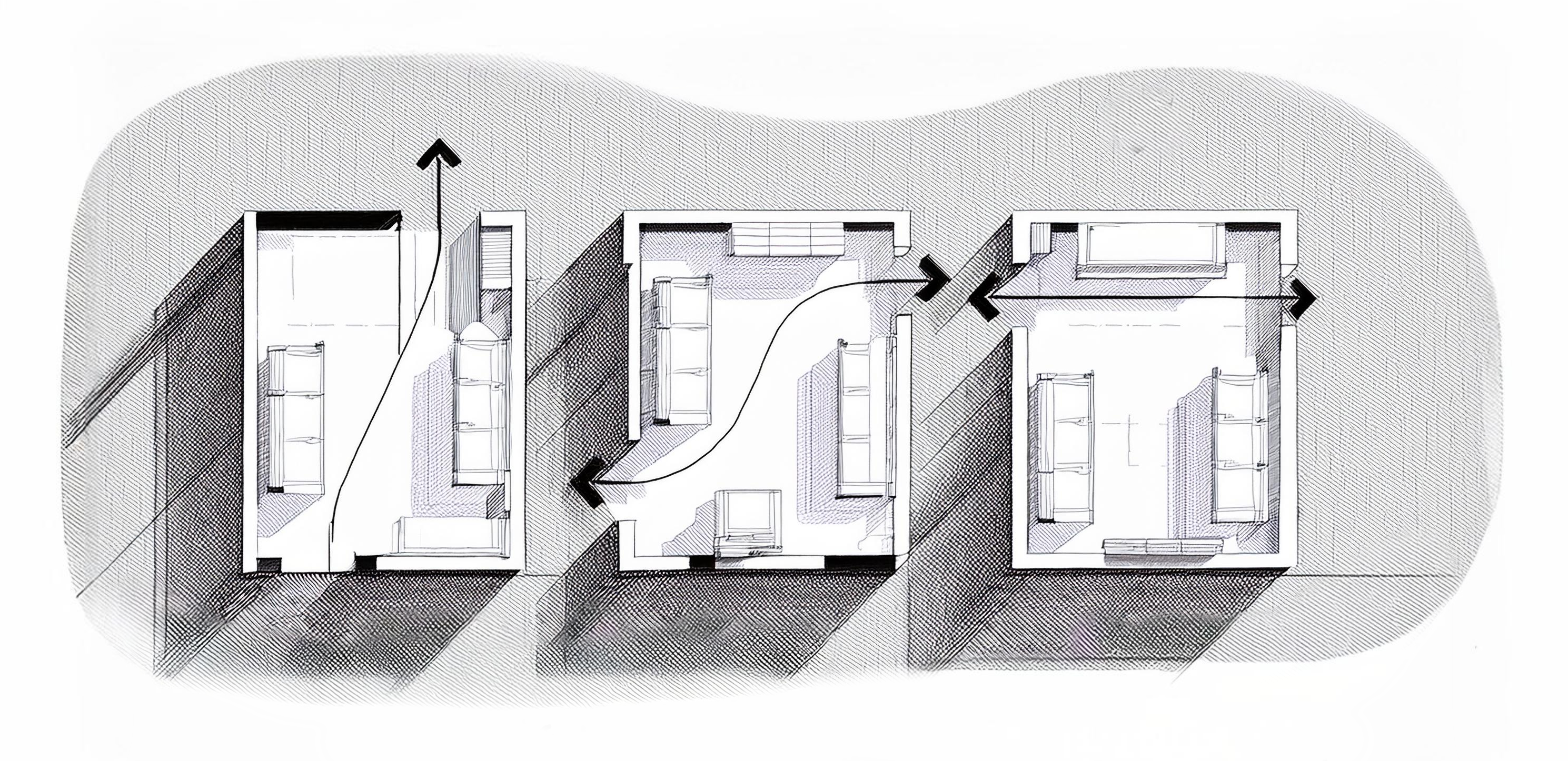
The first step to optimizing flow is to map out the zones in your home. To do this, take a floorplan of your house and mark the doorways. Draw lines to represent how people usually move between rooms, such as from the entrance to the living room, kitchen, or bedroom. This will help you understand how traffic flows throughout your home.
Another key aspect is recognizing “transition zones,” which are the areas around doorways and main paths. These are essential because they connect one space to another and can either enhance or disrupt flow depending on how they’re designed.
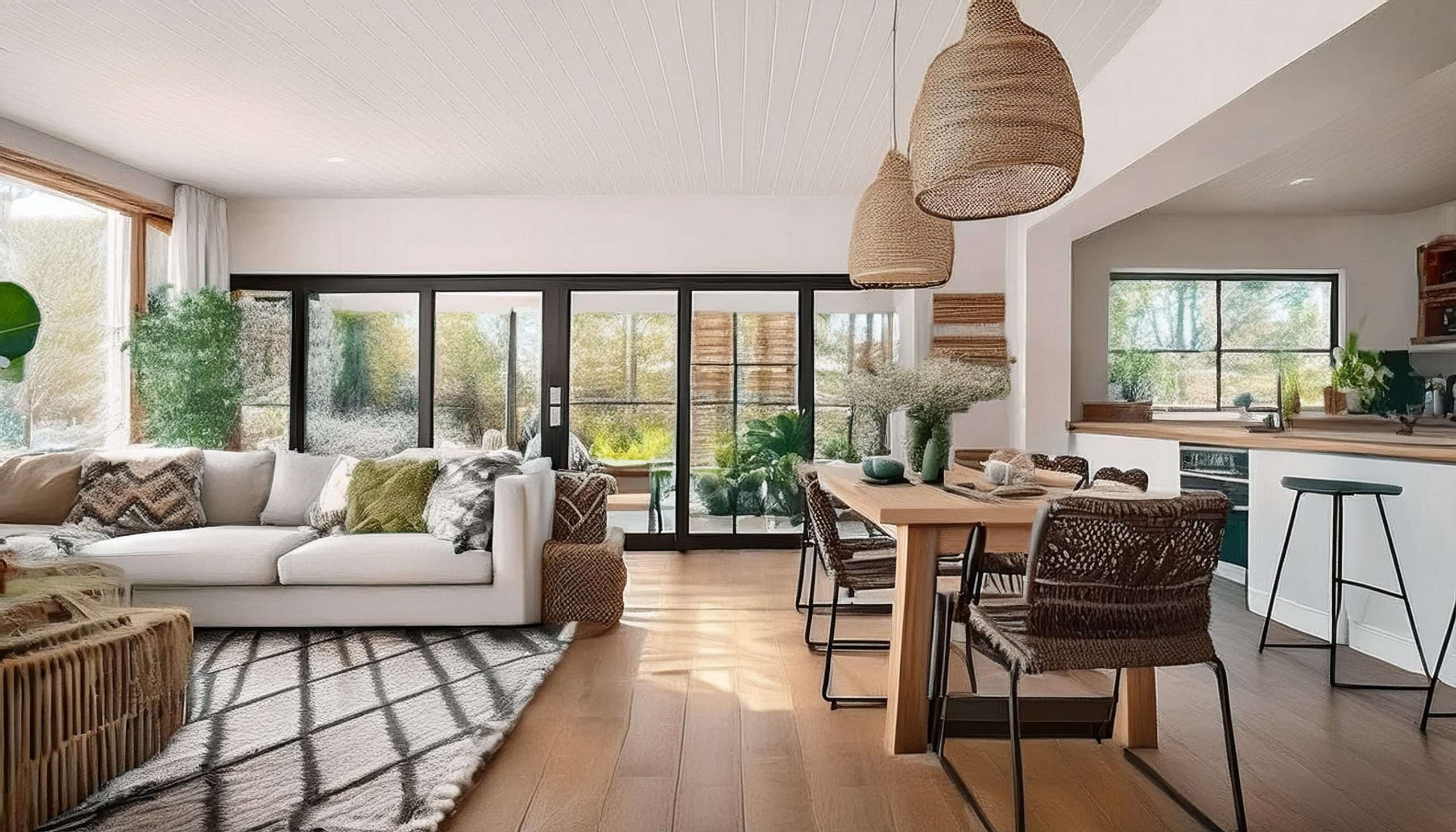
Identifying Different Patterns of Movement
Next, consider the different patterns of movement that happen in your home. There are service-related movements, like unloading groceries or moving dishes between the sink and dishwasher. Then, there’s the everyday flow of family members and guests, such as moving from the front door to the living room or from the kitchen to the dining area.
Mapping out these movement patterns will help you understand if your current layout works well or if certain areas are congested. For example, are key pathways blocked by furniture? Is there enough space for people to move around easily in high-traffic areas like the kitchen or living room?
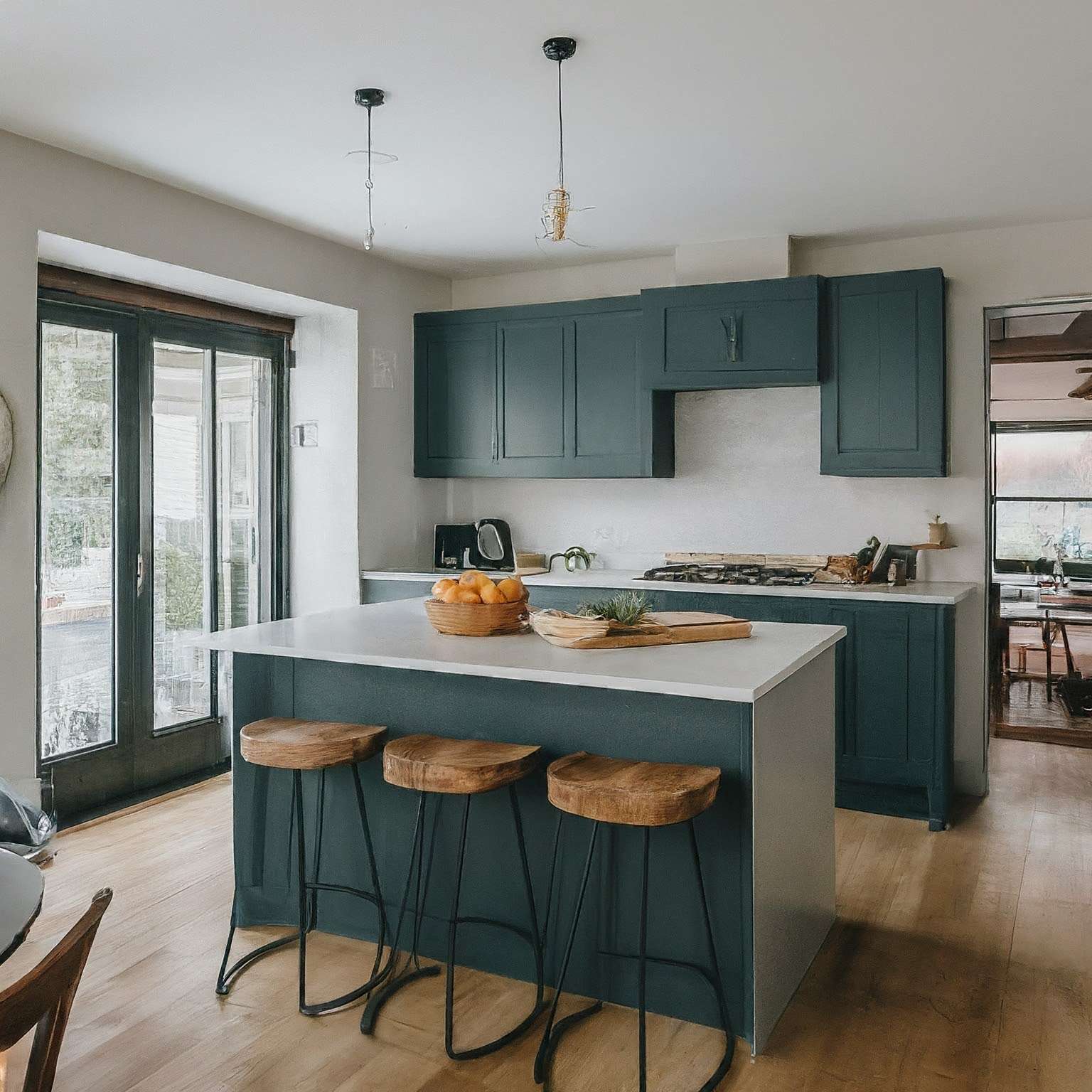
Common Flow Issues and How to Solve Them
Once you’ve mapped out your flow, you’ll likely spot areas where traffic gets disrupted. These can include:
-
Obstructive furniture: Avoid placing large furniture pieces like a sofa in the middle of a natural route through the room.
-
Visibility concerns: Make sure your sink, toilet, or cluttered areas aren’t in direct line of sight from other rooms.
-
Public vs. private spaces: Consider how guests move through your home. For example, they should ideally avoid walking through private areas like bedrooms to get to common areas like the dining room.
-
Lighting and views: Think about what’s visible through windows and how natural light affects different rooms at various times of day.